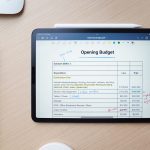
Master Your Budget: Essential Categories for Financial Success
Managing your finances effectively is key to achieving financial success. The first step is to create a solid budget. A well-structured budget helps you keep track of your spending, save money, and reach your financial goals. This blog post explores essential budget categories that can guide you on your financial journey.
Why Budgeting Matters
Budgeting is fundamental for anyone looking to gain control over their finances. It prepares you for future expenses, helps you identify spending habits, and reveals where you can save. Without a budget, it’s easy to lose sight of your financial goals. Here’s what a good budget can do for you:
Promote Financial Awareness: Understanding your income and expenditures improves your financial literacy.
Encourage Savings: A budget helps you allocate funds for savings, so you are prepared for emergencies or major purchases.
Reduce Debt: Knowing where your money goes allows you to manage debts more effectively.
You’ll find that budgeting is not just a good habit, but a necessity.
Essential Budget Categories
To make your budgeting effective, it’s crucial to split your expenses into clear categories. Here’s a breakdown of the essential budget categories that can simplify your financial management:
1. Fixed Expenses
Fixed expenses are regular costs that do not change month-to-month. They often include:
Rent or mortgage payments
Insurance premiums
Utility bills (like electricity and water)
Car payments
These are expenses you can predict and plan for each month.
2. Variable Expenses
Variable expenses can fluctuate. These costs might vary depending on your lifestyle or choices. Key examples include:
Groceries
Dining out
Entertainment (like movie tickets or subscriptions)
Clothing and personal care
Understanding these categories can help you manage spending better.
3. Discretionary Spending
Discretionary spending involves non-essential expenses that enhance your quality of life. These include:
Hobbies and leisure activities
Vacations and travel
Subscriptions (like music and streaming services)
This category is important to evaluate, especially when trying to cut back on unnecessary costs.
4. Savings and Investments
Allocating money for savings and investments should be a priority in your budget. Consider these areas:
Emergency fund
Retirement accounts
Education savings
Investment portfolios
Creating a savings plan will help build your financial security over time.
5. Debt Payments
Managing debt is essential for financial health. Your budget should include specific amounts allocated for:
Credit card payments
Student loans
Personal loans
Any other outstanding debts
Having a clear plan for debt repayment helps reduce stress and improve your credit score.
Tips for Sticking to Your Budget
Creating a budget is just the first step; sticking to it is where the real challenge lies. Here are some tips to help you stay on track:
Review Regularly: Check your budget each month to see if it still works for you.
Track Your Spending: Use apps or spreadsheets to keep tabs on every expense.
Set Realistic Goals: Your budget should reflect achievable goals.
Be Flexible: Life can throw unexpected expenses your way—adjust your budget as necessary.
By implementing these tips, you can hold yourself accountable and ensure you stay on the path of financial management.
Staying Motivated Throughout Your Budgeting Journey
Staying motivated to follow a budget can be tough, especially when tempted by impulse purchases. Here are some strategies to keep you focused:
Visualize Your Goals: Create a vision board with financial goals and dreams, like buying a house or taking a vacation.
Celebrate Small Wins: Acknowledge small achievements, like finishing a week under budget.
Join a Community: Surround yourself with like-minded people who support your financial goals.
The journey to financial success can be rewarding when you consistently adhere to your budget and stay motivated.
Take Action Today
Now that you know the key budget categories and techniques to stick with your budget, it’s time to take action. Start by outlining your own budget categories today. Your future self will thank you when you see progress towards your financial aspirations.
Financial success doesn’t happen overnight. With dedication and a clear plan, you can take control of your finances. Your journey begins with a well-structured budget that hits all the right notes.
Are you ready to master your budget? Let’s get started!