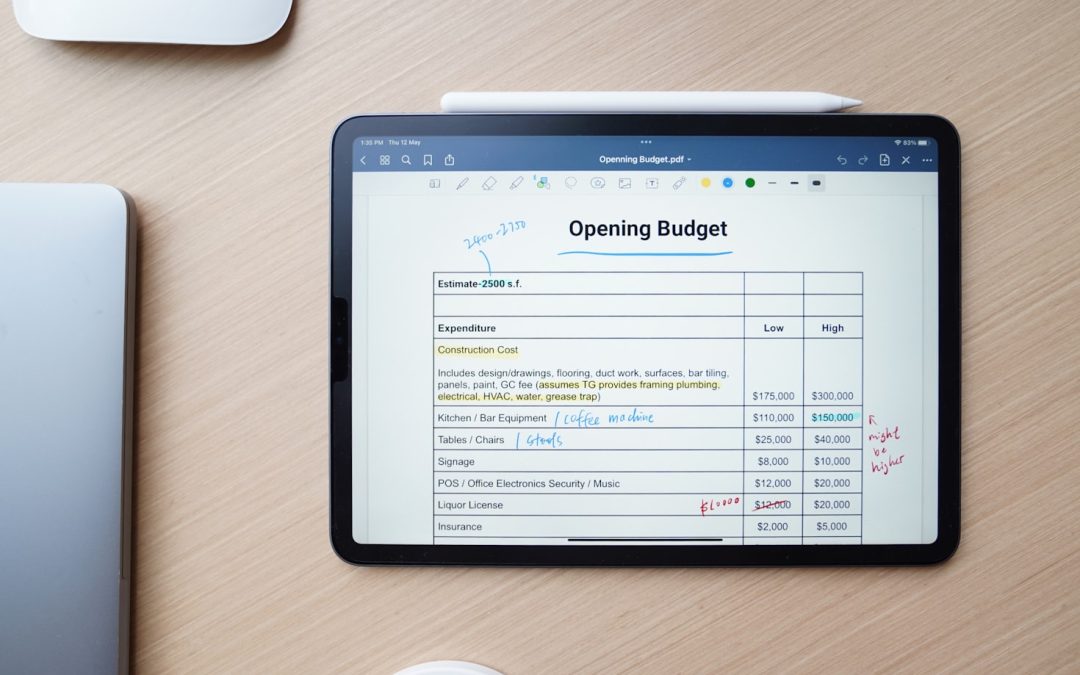
Master Your Finances: Top Budgeting Tools for Success
Building and managing a budget is more than just tracking your monthly expenses. It’s about taking charge of your finances and paving the way to financial freedom. If you’ve ever felt overwhelmed by your spending, you’re not alone. Luckily, there are numerous budgeting tools that can simplify this process and help you stay organized. Let’s explore some exceptional tools that make budgeting straightforward and tailored to your needs.
The Importance of Budgeting Tools
A budgeting tool facilitates better financial decisions. It allows you to visualize where your money goes, helping you stay accountable to your goals. Without these tools, you might miss out on significant savings or overspend in certain areas. A few key reasons to consider using budgeting tools include:
Clarity: Know exactly where your funds are allocated.
Accountability: Easily track your spending habits.
Goal setting: Establish and maintain financial goals.
Customization: Tailor your approach to fit your lifestyle.
With the right budgeting tools, you can avoid the stress and anxiety that often accompanies financial management.
Top Budgeting Tools You Should Consider
Here’s a rundown of some of the best budgeting tools available now. These tools cater to different needs and preferences, ensuring you find one that works best for you.
1. Excel Spreadsheets
Excel spreadsheets are timeless classics for budgeting. They offer flexibility and a wide range of templates to choose from. You can easily create custom formulas and track your finances in real time.
Benefits:
Fully customizable to suit your needs.
Track income, expenses, and savings in one place.
2. Google Sheets
Similar to Excel, Google Sheets offers a cloud-based alternative, allowing you to access your budget from anywhere. Collaborative features enable you to share your budget with others, making it a great option for families or couples.
Benefits:
Access your budget from any device.
Easy sharing options for collaborative budgeting.
3. Mint
Mint provides a user-friendly interface alongside powerful budgeting tools. It tracks your bank transactions automatically, categorizing your expenses without manual entry. Plus, you can set up alerts for bill due dates and budget limits.
Benefits:
Automated transaction tracking.
Alerts and reminders keep you on track.
4. YNAB (You Need A Budget)
YNAB takes a proactive approach to budgeting, teaching users to allocate every dollar. This method helps you prioritize spending with a focus on future expenses. The app also offers helpful resources for better financial literacy.
Benefits:
Focuses on giving every dollar a job.
Educational resources to improve budgeting skills.
5. PocketGuard
This tool simplifies budgeting by showing you how much you have “in your pocket.” It connects to your bank accounts and keeps track of your income and expenses.
Benefits:
Easy-to-use interface showing available funds.
Simple categorization of expenses.
6. GoodBudget
GoodBudget operates on the envelope budgeting system, allowing you to create virtual envelopes for different categories. It’s an excellent option for those who prefer to manage their money in a more tangible way.
Benefits:
Visual representation of your budget with envelopes.
Sync across multiple devices for collaboration.
Choosing the Right Tool for You
Finding the right budgeting tool should be based on your unique financial goals and lifestyle. Here are some questions to consider:
Do you prefer a simple tracking system or an educational approach?
Are you comfortable managing your budget in spreadsheets, or do you prefer apps?
Will you be sharing this with others, or is it just for personal use?
Making the decision that aligns with your preferences will set you up for success.
How to Make the Most of Your Budgeting Tools
Once you have your tool in place, it’s time to put it to work. Here are tips to maximize its effectiveness:
Set clear goals: Identify what you’re saving for, whether it’s a trip or paying off debt.
Review regularly: Weekly or monthly check-ins keep you accountable.
Adjust as needed: Don’t hesitate to tweak your budget as your financial situation changes.
Stay disciplined: Stick to your budget and resist unnecessary expenses.
By applying these practices, your budgeting tool will become an invaluable asset in achieving your financial success.
Final Thoughts
Mastering your finances is an ongoing process, and finding the right budgeting tool is a significant first step. Whether you opt for a spreadsheet or an app, the key is consistent management and refinement of your approach. Making informed decisions will enhance your financial well-being and empower you to reach your goals effectively.
Your financial future is in your hands. Start budgeting today and watch your financial landscape shift for the better!