Ultimate Guide to Protein: Fueling Your Path to Success
Protein is a cornerstone of a successful and healthy life. It plays a vital role in every function of the body, impacting everything from muscle growth to immune health. Knowing the ins and outs of protein can help you make informed choices for your diet and, ultimately, enhance your performance in daily life.
What is Protein?
Protein is a macronutrient made up of amino acids. These are the building blocks that help in constructing and repairing tissues, producing enzymes, and supporting immune functions. There are 20 different amino acids, 9 of which are essential, meaning our bodies cannot produce them, so we must obtain them from our diet.
Why is Protein Important?
Understanding the role protein plays in your body can motivate you to prioritize it in your meals. Here are some key reasons why protein is important:
Muscle Growth: Protein aids in muscle development and repair. Consuming enough protein helps in recovery after workouts.
Weight Management: High-protein diets can help in weight loss by keeping you fuller for longer, reducing hunger cravings.
Bone Health: Sufficient protein intake supports bone density and reduces the risk of fractures.
Hormone Production: Proteins are involved in producing hormones that regulate various functions in the body.
Metabolism Boost: Eating protein can increase your metabolic rate, aiding in calories burned.
It’s clear that protein is essential for maintaining a healthy, well-functioning body.
Sources of Protein
The food you eat is a primary source of protein. It can be found in various forms, with options available for both plant-based and animal-based diets.
Animal-Based Protein Sources
These sources typically contain all essential amino acids:
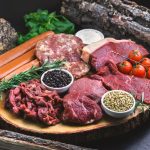
Meat: Beef, chicken, turkey, pork, and lamb are excellent sources of protein.
Fish: Salmon, tuna, and other fish provide protein and healthy fats.
Dairy: Milk, cheese, and yogurt are good protein options and offer additional nutrients.
Eggs: Packed with protein, eggs are versatile and nutrient-rich.
Plant-Based Protein Sources
For those who prefer plant-based diets, there are plenty of options as well:
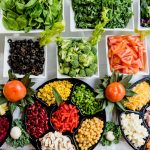
Legumes: Beans, lentils, and chickpeas are great sources of plant protein.
Nuts and Seeds: Almonds, peanuts, chia seeds, and flaxseeds not only provide protein but also healthy fats.
Grains: Quinoa, brown rice, and oats contain protein and fiber.
Tofu and Tempeh: Made from soybeans, these products are popular for their protein content in vegetarian and vegan diets.
Choosing a variety of these sources can help you meet your protein needs while enjoying a diverse and interesting diet.
How Much Protein Do You Need?
The amount of protein required varies from person to person. Factors such as age, activity level, and health goals play a part.
– For the average adult, a common recommendation is about 0.8 grams of protein per kilogram of body weight.
– Active individuals or those looking to build muscle may benefit from higher amounts, often ranging from 1.2 to 2.2 grams per kilogram.
Not sure how much protein you need? Consider consulting a nutritionist or using an online protein calculator.
Signs You May Need More Protein
Several indicators suggest that your protein intake might be too low:
Frequent cravings or hunger between meals.
Unexplained fatigue or energy dips.
Difficulty in recovering from exercise.
Loss of muscle mass or strength over time.
If you notice these signs, it might be time to evaluate your protein intake.
Timing Your Protein Intake
When you consume protein can be as crucial as how much you consume. Here are some strategies for timing your protein intake:
Post-Workout: Consuming protein within 30 minutes to two hours after exercise can help with recovery.
Even Distribution: Aim for consistent protein intake at each meal rather than packing it all into one meal.
Pre-Bed Snack: A small snack containing protein before bed can support overnight recovery and muscle preservation.
Timing protein effectively can set you up for better results in your fitness and health goals.
Protein Supplements: Are They Necessary?
While whole food sources are ideal for obtaining protein, supplements can be convenient, especially for individuals with higher protein needs. Common types of protein supplements include:
Whey Protein: Fast-digesting and ideal post-workout.
Casein Protein: Slow-digesting, best consumed before bed.
Plant-Based Protein: Options like pea and rice protein cater to vegans and vegetarians.
Supplements can help fill gaps in your diet but shouldn’t replace whole foods entirely.
Final Thoughts on Protein
Understanding the significance of protein can empower you to make better dietary choices. Whether you are an athlete, someone looking to lose weight, or simply striving for optimal health, incorporating sufficient protein into your diet is vital for success.
Focus on balancing your meals with various protein sources, and don’t hesitate to adjust your intake based on your lifestyle and goals. Remember, every bite counts when it comes to fueling your path to success. Embrace the power of protein, and watch how it positively influences your life!
Want to stay informed and inspired on your nutritional journey? Sign up for our newsletter! Let’s embark on this journey together!