Understanding Gluten: The Key to Health and Success
Gluten is often a hot topic when discussing health and nutrition. This protein, found in wheat, barley, and rye, has made headlines, sparking debate and concern. But what is gluten, and should you be worried about it? This article provides clear information to help you make informed choices regarding your health.
What is Gluten?
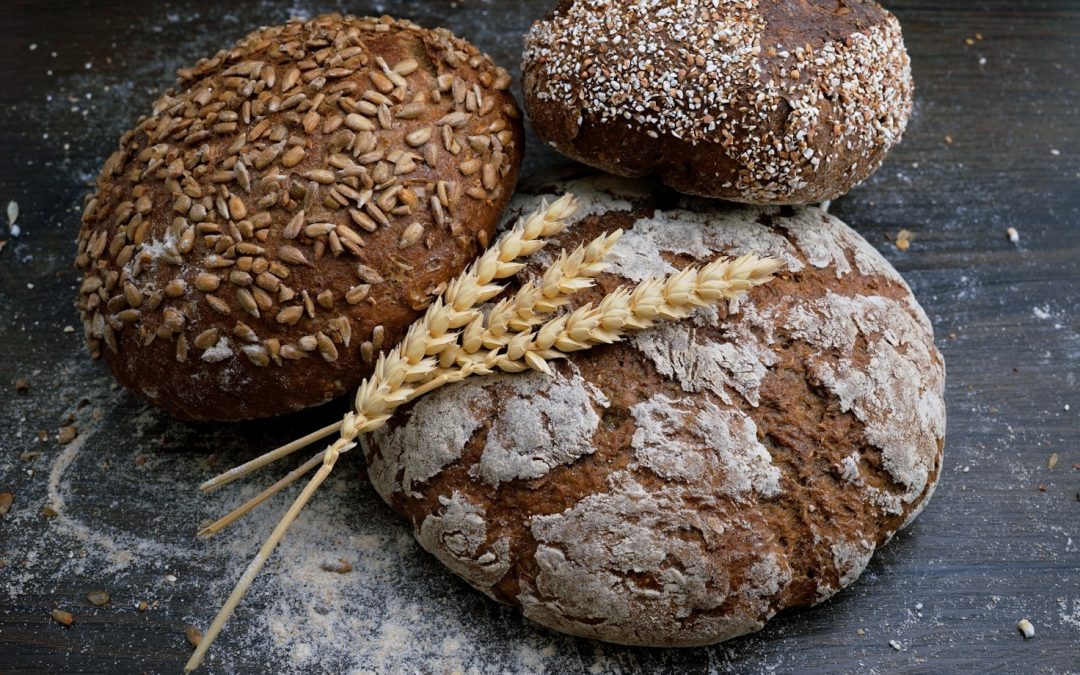
Gluten is a group of proteins that helps bread keep its shape and gives it a chewy texture. It acts like a glue in many foods. Here are some common grains containing gluten:
Wheat
Barley
Rye
In its natural form, gluten is harmless to most people. However, for others, it can lead to serious health issues.
Who Needs to Avoid Gluten?
Not everyone needs to avoid gluten. Yet, certain conditions require individuals to steer clear of it:
Celiac Disease: This is an autoimmune condition where the immune system attacks the small intestine upon exposure to gluten. Symptoms can include digestive problems, fatigue, and even skin rashes.
Non-Celiac Gluten Sensitivity: Some individuals experience discomfort when consuming gluten, even without celiac disease. Symptoms might include bloating, headaches, and fatigue.
Wheat Allergy: This allergy can trigger a wide range of reactions from hives to serious breathing issues.
If you think you might be sensitive to gluten, it’s a good idea to talk to a healthcare provider before making any drastic diet changes.
Signs You Might Have a Gluten Sensitivity
Understanding your body is vital. Here are some signs you might be dealing with gluten sensitivity:
Bloating after eating bread or pasta
Chronic fatigue or brain fog
Unexplained weight changes
Skin problems like rashes or dermatitis
Digestive issues such as constipation or diarrhea
Recognizing these signs can lead to better health. If you notice a pattern, seek guidance from a medical professional to understand your situation better.
How to Approach a Gluten-Free Diet
If you determine that gluten is an issue for you, what’s next? Making a transition to a gluten-free diet doesn’t have to be overwhelming. Here are some tips to get started:
Read Labels: Many processed foods include gluten. Always check for gluten-free labels.
Focus on Whole Foods: Fruits, vegetables, and lean proteins are naturally gluten-free.
Experiment with Gluten-Free Grains: Try quinoa, rice, and corn products to diversify your meals.
Don’t Skip Meals: Make sure to get enough nutrients and energy to maintain productivity.
Plan Your Meals: Creating a meal plan can help you avoid gluten unknowingly.
Transitioning can be challenging, but it’s worth it for your health.
The Benefits of a Gluten-Free Lifestyle
Many people experience positive changes when they cut gluten from their diets. Consider these potential benefits:
Improved Digestion: Reduced bloating and discomfort can enhance your overall well-being.
Increased Energy: More stable energy levels can lead to better focus and productivity.
Clearer Skin: Many find that cutting gluten helps reduce skin irritations.
Weight Management: Focusing on whole foods can aid in maintaining a healthy weight.
Making positive changes in your diet can pave the way for greater success in other areas of life.
Gluten Myths Debunked
With all the information available, it’s essential to separate fact from fiction. Here are common gluten myths:
Gluten is unhealthy for everyone: Most people can safely consume gluten without issues.
Gluten-free means healthy: Gluten-free junk food still exists, so always check nutritional labels.
All grains contain gluten: Some grains, like rice and oats (if certified gluten-free), are gluten-free.
Understanding these myths will guide your health journey more effectively.
Encouragement for Your Health Journey
Navigating dietary changes can feel daunting, but you’re not alone. Many have found success and improved health by understanding their bodies and what they need.
Ask yourself:
– What changes can I make for my health today?
– Am I listening to my body?
Embrace the possibilities. Remember that making smaller, consistent changes is often more sustainable than seeking drastic transformations.
Final Thoughts
Gluten is more than just a buzzword in diet discussions. Understanding its effects helps you make informed choices for your health. Whether you need to avoid gluten or just want to learn more, knowledge is power.
Stay engaged with your health by seeking reliable information and consulting with healthcare professionals when necessary. Making choices that align with your body’s needs can lead to a more successful and fulfilling life.
Take the first step today. Your health journey awaits!