Understanding Meat: A Guide to Nutrition and Health Success
Meat has long been a staple in many diets around the globe. While its role in nutrition is often debated, understanding its benefits can lead to enhanced health and wellness.
The Nutritional Value of Meat
Meat is packed with essential nutrients. Here’s a quick rundown of why including meat in your diet can be beneficial:
High-Quality Protein: Meat is a fantastic source of protein, which is vital for muscle repair and overall growth.
Rich in Vitamins: Meat provides B vitamins, particularly B12, which are important for energy production and brain health.
Essential Minerals: Meat contains iron, zinc, and selenium. Iron is crucial for transporting oxygen in the blood, while zinc supports immune function.
Healthy Fats: Certain meats, especially fatty fish, provide omega-3 fatty acids that are known to support heart health.
Including meat in your meals can enhance your dietary intake. It’s all about choosing quality sources.
Choosing Quality Meat
When selecting meat, consider the following tips to maximize health benefits:
Opt for Lean Cuts: Lean meats contain less fat, which can help you maintain a healthy weight.
Grass-Fed or Pasture-Raised: These options often contain more omega-3s and fewer omega-6s compared to conventionally raised animals.
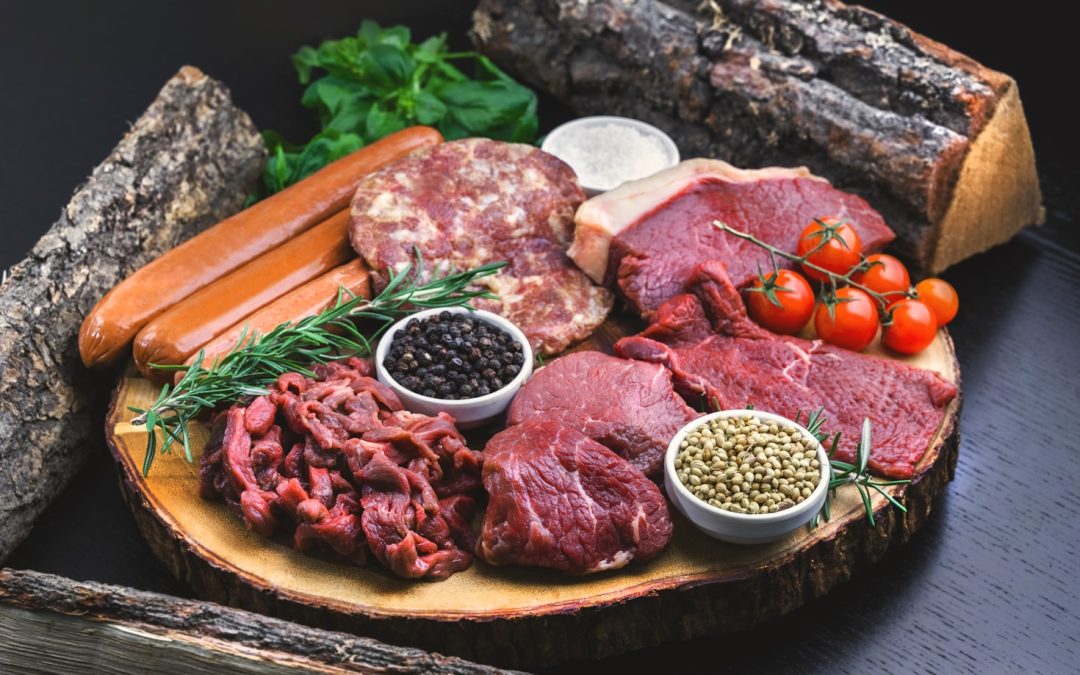
Limit Processed Meats: Processed meats like hot dogs and sausages often contain additives and preservatives that may not be healthy.
Making informed choices can have a direct impact on your health. Remember, knowledge is power.
The Myths Surrounding Meat Consumption
Many misconceptions exist regarding meat and health. Here are common myths and the facts behind them:
Myth: Meat causes heart disease. Fact: Moderate consumption of lean meats can be part of a heart-healthy diet.
Myth: Meat is bad for digestion. Fact: Meat can be easily digested by many, especially when paired with fiber from plants.
Myth: You can’t get protein without meat. Fact: While meat is a great source of protein, there are many plant-based sources as well.
Dispelling these myths can help guide better dietary choices.
Health Benefits of Meat
Including meat in your diet can offer several health advantages, such as:
Improved Muscle Mass: Protein from meat can support muscle growth, particularly important as we age.
Enhanced Energy Levels: The iron in meat plays a key role in preventing fatigue and keeping energy levels high.
Better Nutrient Absorption: The vitamins and minerals in meat aid the absorption of other nutrients from food.
The right balance is key to enjoying these health benefits.
Ethical and Sustainable Meat Choices
As consumers become more aware of ethical and environmental issues, considering the source of meat is important:
Support Local Farmers: Buying from local sources can reduce the carbon footprint associated with transportation.
Look for Certifications: Terms like organic or grass-fed can indicate better farming practices.
Practice Moderation: Incorporating more plant-based meals alongside meat can lead to a more sustainable diet.
Your choices matter. Supporting ethical practices can contribute to a healthier planet.
Conclusion: Balance is Key
Incorporating meat into a balanced diet can provide essential nutrients for health and energy.
Focus on selecting quality options and consider ethical implications. Remember, a well-rounded approach to eating, which includes fruits, vegetables, grains, and proteins, will yield the best results for your overall health and wellness.
There’s no one-size-fits-all answer to diet, but understanding the role of meat can empower your choices. Start your journey towards better health today by making informed decisions about what you eat!
Have questions about your diet? Share your thoughts or concerns, and let’s explore the path to better nutrition together!