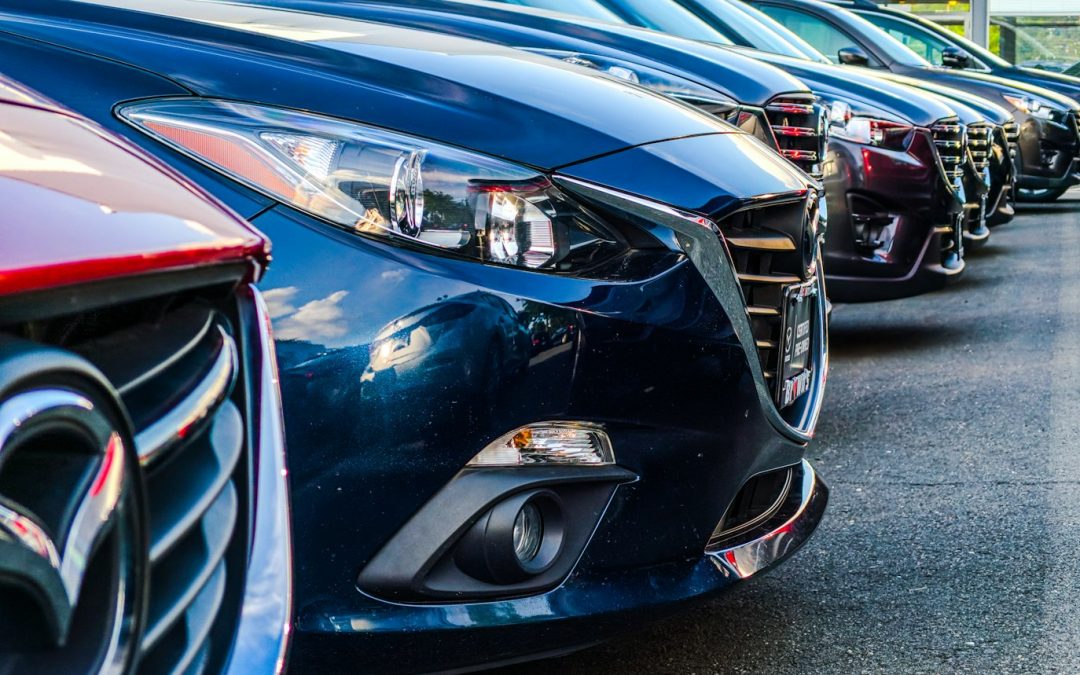
Understanding Value: New vs. Used Cars for Your Success
Buying a car is a big decision, whether it’s new or used. Each choice has its advantages and disadvantages. Understanding the differences between new and used cars can help you make an informed decision that aligns with your financial goals. Let’s break it down.
The Appeal of New Cars
New cars often come with the latest technology, warranties, and are in pristine condition. Here are some reasons people choose new cars:
Reliability: New cars typically have fewer issues and often come with a manufacturer’s warranty.
Latest Features: You get state-of-the-art technology and safety features that enhance driving experience.
Financing Options: Dealers often provide attractive financing rates for new cars.
Personalization: Buying new allows you to customize your vehicle’s features, colors, and trims.
However, remember, the cost of owning a new car includes depreciation. As soon as you drive your new car off the lot, it can lose a significant percentage of its value.
The Case for Used Cars
Used cars have their own charm. They often come at a lower price point and can offer great value for budget-conscious buyers. Here are some benefits of purchasing used vehicles:
Lower Price: Typically, used cars are much less expensive than new ones, meaning you can often get a higher-end model for less.
Slower Depreciation: Used cars depreciate at a slower rate, which means you won’t lose as much value over time.
Insurance Savings: Insurance premiums are usually lower on used cars compared to new cars.
Variety: The used car market often provides a vast selection of makes and models.
That said, buying used may come with risks like hidden mechanical issues. Research is essential to ensure that the car you choose is reliable.
Cost vs. Value: A Deeper Look
When weighing your options, consider cost versus value. Cost is straightforward: it’s the price you pay. Value, however, is about what you gain from that purchase. Understanding this difference is crucial for your financial success.
New Cars: More Cost, More Features
While new cars may seem like an attractive option because of the features and reliability, the higher upfront cost can impact your budget significantly:
Monthly Payments: New cars often come with higher monthly payments that can strain your finances.
Maintenance Costs: Even with warranties, you may face costs not covered by insurance.
Fuel Efficiency: A new car may offer better fuel efficiency, helping to save on gas long-term.
Used Cars: Lower Initial Investment
Used cars often represent a greater value for your money:
Lower Monthly Payments: This can provide more room in your budget for other financial goals.
Less Depreciation: If you’re ever looking to resell, you’re likely to get a better return on your initial investment.
Affordability of Repairs: Used cars may be less expensive to repair than new models.
Making Your Decision
To make the best decision, consider your personal circumstances. Ask yourself a few questions:
What is your budget? Know how much you can realistically spend without putting yourself in a financial bind.
How long do you plan to keep the vehicle? If it’s a long-term investment, a new car may be worth the initial cost.
How important is customizability or modern features to you? If these are priorities, a new car could be ideal.
Do you want to save on costs in the long run? A used car might be the better choice.
Your Path to Better Financial Health
Choosing between new and used cars impacts your finances and overall well-being. It’s vital to align your choice with your financial goals. Look at the long-term implications of your investment.
Buying the right car can lead to savings, whereas mistakes can lead to financial strain. Do your homework. Research various models and check their reliability ratings.
Final Thoughts
Whatever you decide, make it a smart choice that fits your life and financial goals. A car is not just a mode of transportation; it’s an investment in your future. Take your time, weigh the pros and cons, and choose wisely.
Whether you lean toward a new car or find the benefits of a used car more appealing, make sure it aligns with your vision of success. After all, it’s your journey, and every decision matters. What car choice will drive you toward success?