Unlocking Health: The Truth About Lectins and Nutrition
The Basics of Lectins
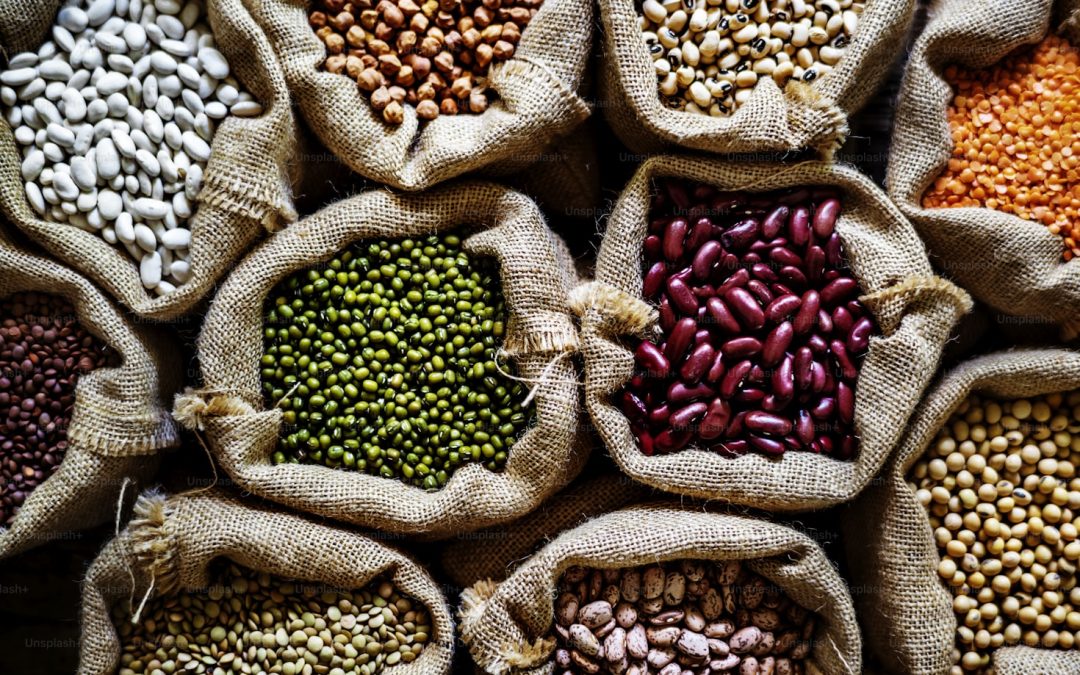
Lectins are proteins found in many natural foods, particularly in legumes, grains, and some vegetables. They have gained attention for their connection to health and nutrition. But what are they, and how do they affect your body?
What You Need to Know About Lectins:
Lectins are present in many plants, primarily as a defense mechanism.
They can bind to carbohydrates, affecting how your body absorbs nutrients.
Some lectins can cause digestive discomfort if consumed in large amounts.
Knowing what lectins are is the first step. However, understanding how they fit into your nutrition plan is essential for creating a balanced diet.
The Pros and Cons of Lectins
Lectins do have pros and cons. It’s important to note that not all lectins are harmful.
Benefits of Lectins:
May support gut health when consumed in moderation.
Can have protective effects against certain diseases.
Good source of plant protein, especially in legumes.
Potential Drawbacks:
Can interfere with nutrient absorption in excess.
May lead to digestive issues for some individuals.
Some lectins are toxic when raw, but cooking usually deactivates them.
Balancing the benefits and drawbacks of lectins can help you better understand how to incorporate them into your nutrition without adverse effects.
Should You Eliminate Lectins?
Many people debate the need to eliminate lectins from their diet. The truth is, lectins can be part of a healthy eating plan.
Consider This:
Not everyone is sensitive to lectins. Many can consume these foods without issue.
Cooking methods like boiling and soaking can reduce lectin content.
Focusing solely on lectins can distract from a broader focus on nutrition.
Before making any drastic changes to your diet, consider how each food fits into your overall nutritional goals.
How to Include Lectin-Rich Foods in Your Diet
Including lectin-rich foods can be part of a balanced diet. Here are some strategies for doing this effectively.
Tips to Include Lectins Wisely:
Choose properly cooked legumes and grains.
Combine them with other nutritious foods to balance their effects.
Focus on variety to create a well-rounded diet.
These simple strategies help you enjoy the benefits of lectin-rich foods while minimizing potential downsides.
The Power of Moderation
Moderation is key when dealing with any dietary component, including lectins. Here’s why:
– Consuming a variety of foods helps cover all your nutritional needs.
– Moderation can prevent digestive discomfort linked to lectin overconsumption.
– Focusing on overall dietary patterns, rather than isolated nutrients, supports better health outcomes.
Adopting a mindset of moderation can empower you to make better dietary choices without stressing over individual foods.
Conclusion: Finding Balance
Understanding lectins is essential for anyone looking to optimize their health. Rather than viewing them as villains, consider their role within a diverse and balanced diet.
Remember:
– Not all lectins require elimination from your diet.
– Cooking methods can make lectin-containing foods safe and enjoyable.
– Moderation will allow you to incorporate these foods without compromising your health.
Take charge of your nutrition by experimenting with various foods, including those containing lectins. This way, you can find a diet that works for you and contributes to your overall well-being. The journey to better health does not require perfection—just a commitment to making informed choices.
Make your health a priority. By understanding the facts about lectins, you empower yourself to create a nourishing and balanced diet. What will you try next?