Master Relaxation: 36 Powerful Tips to Reduce Stress
Stress is a common hurdle in life that affects our well-being and productivity. Finding relaxation can seem challenging, but it is crucial to maintaining optimal health. Here, we present 36 powerful tips that can help you manage stress effectively. Implementing these strategies will put you on the path to feeling more at ease and in control.
Understanding Stress and Its Impact
Stress can manifest in various ways, impacting both mental and physical health. Common symptoms include fatigue, anxiety, and irritability. Managing stress is vital for a balanced life. The following tips provide simple, actionable methods to help you regain control over stress and enjoy a more peaceful lifestyle.
Tips for Relaxation
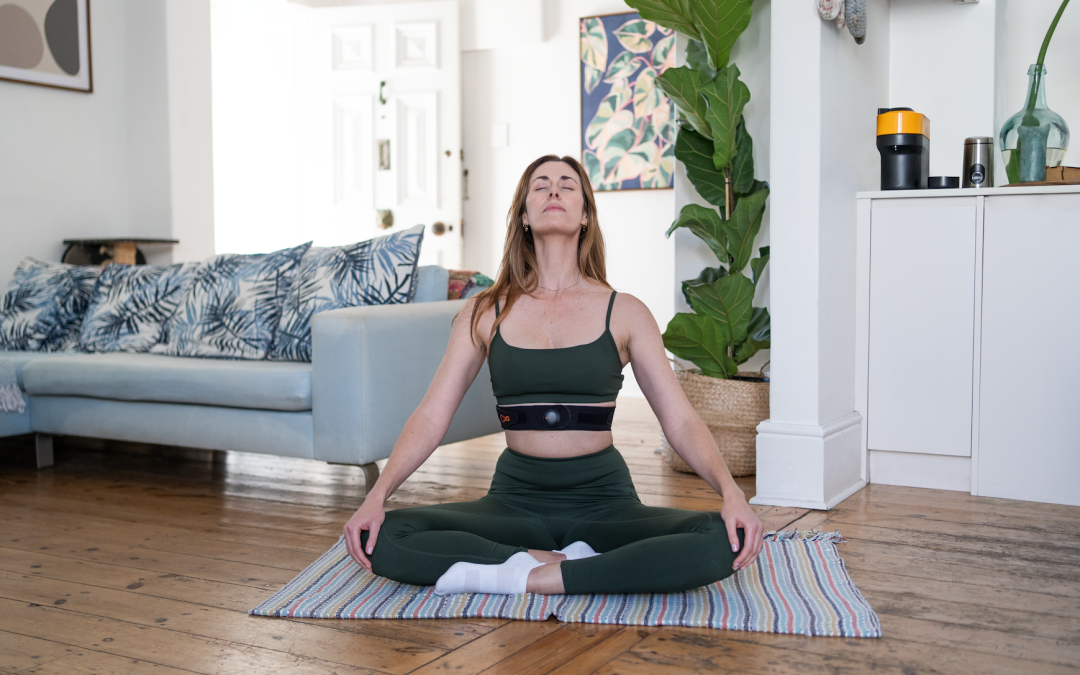
1. Breathe Deeply
Taking deep breaths helps lower your heart rate. Try this simple exercise:
Breathe in slowly through your nose for a count of four.
Hold your breath for four counts.
Exhale slowly through your mouth for four counts.
2. Practice Mindfulness
Mindfulness focuses on the present moment. Incorporate short mindfulness sessions into your day.
3. Go for a Walk
Walking in nature can clear your mind. Aim for at least 30 minutes of brisk walking several times a week.
4. Listen to Music
Music can be a powerful stress reliever. Create playlists to suit your mood, whether you want to relax or energize.
5. Get Enough Sleep
Lack of sleep can increase stress levels. Aim for 7-9 hours of quality sleep each night.
6. Stay Hydrated
Dehydration can lead to fatigue and stress. Drink plenty of water throughout the day.
7. Limit Caffeine Intake
Too much caffeine can increase anxiety. Consider switching to herbal tea.
8. Connect with Loved Ones
Talking to friends or family can provide relief. Share your feelings and seek support.
9. Laugh Often
Humor can lift your mood. Watch a funny show or spend time with people who make you laugh.
10. Set Boundaries
Know your limits and communicate them. It’s okay to say no when needed.
11. Practice Gratitude
Keep a gratitude journal. Write down three things you are thankful for each day.
12. Try Yoga or Stretching
Yoga combines physical movement with deep breathing. Consider adding a few stretches to your daily routine.
13. Engage in Hobbies
Make time for activities you enjoy. Hobbies can serve as a great escape from stresses.
14. Limit Screen Time
Too much screen time can heighten stress. Take regular breaks from devices.
15. Practice Visualization
Imagine a peaceful place. Spend a few moments envisioning yourself in that place.
16. Declutter Your Space
A clean environment can promote calmness. Take time to organize your workspace or home.
17. Try Aromatherapy
Essential oils, like lavender or chamomile, can reduce anxiety. Use a diffuser or add a few drops to your bath.
18. Use Guided Meditation
Meditation apps offer guided sessions tailored to various needs. Explore different formats to find what works for you.
19. Volunteer
Helping others can create a sense of community. Find local organizations for volunteer opportunities.
20. Set Goals
Goal-setting can provide direction. Break larger goals into small, manageable tasks.
21. Limit News Consumption
Round-the-clock news can be stressful. Choose specific times to catch up on current events.
22. Eat Well
Nourish your body with balanced meals. A good diet can impact mood and stress.
23. Take Breaks
Schedule short breaks throughout your day. Step away from work to recharge.
24. Seek Professional Help
If stress becomes overwhelming, consider talking to a therapist. A trained professional can offer beneficial coping strategies.
25. Use Positive Affirmations
Start your day with positive affirmations. Speak kindly to yourself and reinforce a positive mindset.
26. Create a Relaxation Space
Designate a spot in your home for relaxation. Fill it with comfort items, such as pillows or soothing decorations.
27. Reflect on Your Day
Spend five minutes each evening reflecting on your day. Focus on positive aspects to promote relaxation.
28. Enjoy a Warm Bath
Soaking in a warm bath can soothe tense muscles and provide a tranquil escape.
29. Embrace Nature
Time spent outdoors can boost your mood. Make it a habit to spend time in green spaces.
30. Try Art Therapy
Engage in creative activities like painting or drawing. Artistic expression can be a great stress-relief outlet.
31. Challenge Negative Thoughts
Recognize and challenge unhelpful thoughts. Try to replace them with positive affirmations.
32. Get Regular Exercise
Physical activity releases endorphins. Aim for at least 150 minutes of moderate exercise each week.
33. Practice Acceptance
Accept what you cannot change. This mindset can reduce stress related to uncontrollable factors.
34. Journal Your Feelings
Writing can be therapeutic. Take time to journal your thoughts and emotions daily.
35. Limit Alcohol
Excessive drinking can exacerbate stress. Moderate your alcohol intake to maintain emotional stability.
36. Find a Support Group
Connecting with others who share your experiences can bring comfort. Look for local support or online groups.
Final Thoughts
Managing stress through relaxation techniques can have a significant impact on your overall well-being. By incorporating these tips into your daily routine, you can foster a more relaxed mindset and enjoy life more fully. Focus on what works best for you and make relaxation a priority. Remember, each step taken toward stress relief is a step toward a healthier, more balanced life.