Unveiling Cooking Carcinogens: Healthy Practices for Success
Understanding Cooking Carcinogens
Cooking is a fundamental part of our daily lives. However, some cooking methods can produce chemicals that may increase the risk of cancer. These substances, known as cooking carcinogens, arise from various food preparation techniques. It’s vital to recognize how these harmful compounds are formed and, more importantly, how you can reduce your exposure.
What are Cooking Carcinogens?
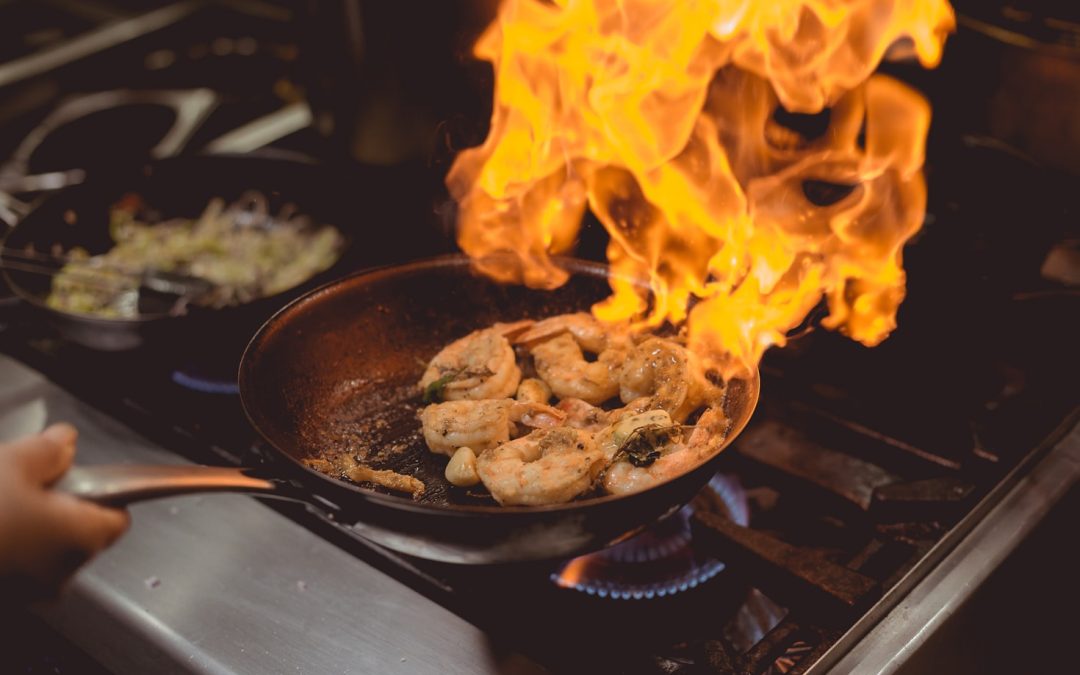
Cooking carcinogens are harmful substances that can form when food is cooked, especially when exposed to high temperatures. Common sources include:
Grilling or barbecuing
Frying
Baking at high temperatures
Foods that are particularly at risk for developing carcinogens include meats, especially red and processed varieties.
Key Carcinogenic Compounds to Watch
Understanding the most common cooking carcinogens can empower you to make better dietary choices. Here are three primary culprits:
Heterocyclic Amines (HCAs): Formed when meats are cooked at high temperatures.
Polycyclic Aromatic Hydrocarbons (PAHs): Created when fat from meat drips onto hot surfaces, causing smoke that can re-enter the food.
Acrylamide: Occurs in starchy foods when them are cooked at high temperatures, like frying or baking.
Each of these carcinogens has been linked to cancer risk, making it important to adopt cooking methods that reduce their formation.
Healthy Cooking Practices to Reduce Carcinogens
You can make simple adjustments to your cooking habits to limit the formation of carcinogens. Here are some practical strategies:
1. Choose Cooking Methods Wisely
Opt for cooking techniques that generate fewer harmful compounds:
Steaming: Preserves nutrients and doesn’t produce carcinogens.
Boiling: Keeps food moist and minimizes harmful compounds.
Cooking at Low Temperatures: Reduces the likelihood of carcinogen formation.
2. Marinate Your Meat
Marinating meat can significantly reduce the formation of HCAs. Consider using:
Vinegar-based marinades
Citrus juices
Herbs and spices
These ingredients not only add flavor but also create a protective layer that limits harmful substance formation during cooking.
3. Avoid Overcooking
Overcooking or charring food can greatly increase carcinogen levels. Here’s how to prevent it:
Use a meat thermometer to check doneness.
Cook smaller portions for quicker, uniform cooking.
Maintaining a close eye on your food can make a significant difference.
4. Clean Your Cooking Equipment
Regularly clean grill grates and frying pans to remove charred residues. These remnants can contribute to carcinogen production. A clean cooking surface is essential for healthier meals.
Emphasizing Variety in Your Diet
A varied diet can also play a role in minimizing cancer risk. Consuming a balance of fruits, vegetables, whole grains, and proteins can provide protective nutrients. Focus on these food groups:
Berries: High in antioxidants
Cruciferous Vegetables: Like broccoli and kale
Whole Grains: Provide fiber and essential nutrients
Incorporating these foods into your meals can offer a defense against potential cancer-causing agents.
Stay Informed and Take Action
Awareness is the first step in making healthier choices. Understanding the risks associated with certain cooking methods allows you to take actionable steps towards better health. Consider these points:
Stay vigilant about cooking practices that may contribute to carcinogen formation.
Regularly educate yourself about nutrition and healthy cooking methods.
Share knowledge with friends and family to promote a healthier cooking culture.
Make a conscious effort to apply this knowledge in your daily routine. Not only can these changes contribute to better health, but they can also inspire others in your circle to embrace healthier habits.
Take Control of Your Health
Investing in your health should be a priority. Simple cooking adjustments can have profound benefits over time. By making informed choices, you greatly reduce your risk of exposure to cooking carcinogens.
How many of us have heard about a relative or friend who faced health issues caused by their lifestyle? Don’t be a statistic. Proactive measures can create a healthier future for you and those around you.
In summary, making small changes in how you cook can yield significant improvements in your overall health. Adopt some of the techniques mentioned, stay informed and help cultivate a healthier community.
Take these practices to heart, embark on your cooking journey with awareness, and prioritize health in every meal you prepare!