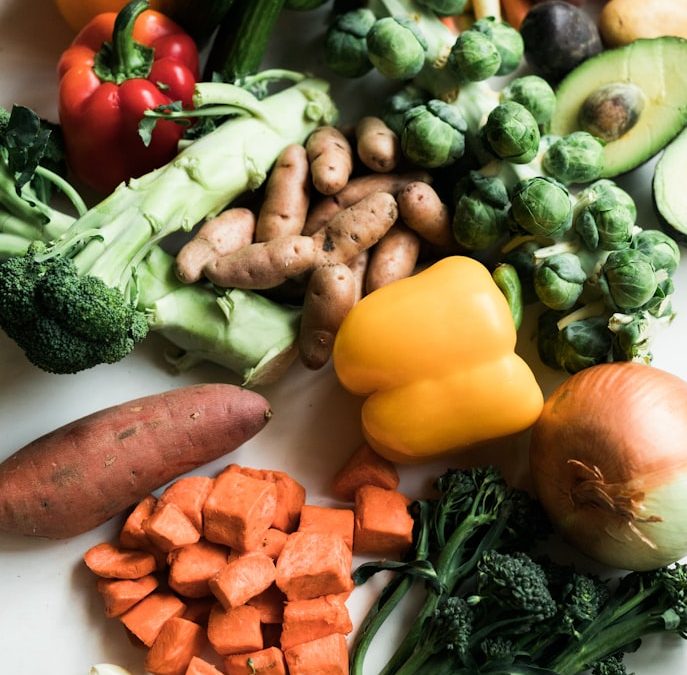
Embrace Vegetables: Transform Your Health and Well-Being Today
The Power of Vegetables
Eating vegetables isn’t just a healthy choice; it’s a decision that can significantly improve your overall well-being. Vegetables are packed with essential vitamins, minerals, and fiber that our bodies need to function optimally. They provide a natural way to boost your immune system, support digestion, and maintain a healthy weight. If you’re hesitant about vegetables, it’s time to change your mindset and start exploring the benefits of adding more greens to your plate.
Why Are Vegetables Important?
Vegetables play an important role in promoting good health. Here are a few reasons why you should include them in your meals:
Nutrient-Rich: Vegetables are loaded with vitamins A, C, E, and K, along with essential nutrients like potassium and magnesium.
Low in Calories: They fill you up without piling on the calories. This makes vegetables an excellent choice for weight management.
Heart Health: A diet high in vegetables can lower the risk of heart disease and stroke.
Digestive Benefits: Rich in fiber, vegetables support a healthy digestive system and can prevent constipation.
The health benefits are clear, but what if you just don’t like them? The good news is there are countless ways to incorporate vegetables into your diet that might just change your perspective.
Finding Your Vegetable Groove
The first step to embracing vegetables is figuring out what you like. Each person has different tastes, and there are plenty of options out there. Here are some strategies to help you find your veggie favorites:
1. Experiment with Cooking Methods
Sometimes, how you cook your vegetables can make a world of difference. Here are a few methods worth trying:
Roasting: This method brings out natural sweetness. Try roasting carrots, bell peppers, or Brussels sprouts.
Grilling: Grilled veggies can add a smoky flavor. Zucchini, corn, and asparagus are fantastic on the grill.
Sautéing: Quickly sauté vegetables with a bit of olive oil and garlic for extra flavor.
Steaming: This keeps the nutrients intact while providing a tender texture. Broccoli and green beans shine when steamed.
2. Pair with Flavors You Love
If you’re not keen on the taste of certain vegetables, consider pairing them with familiar flavors. Here are some ideas:
Dips: Hummus and salsa can make raw veggies much more appealing.
Sou sauces: Add soy sauce or teriyaki to stir-fried vegetables for extra zing.
Spices: Experiment with herbs and spices like garlic, basil, or cumin to enhance the taste.
3. Try New Varieties
Don’t be afraid to branch out! Here are a few vegetables you might not have considered:
Butternut Squash: Sweet and creamy, perfect for soups and casseroles.
Kale: Packed with nutrients, this leafy green can be added to smoothies or salads.
Radishes: Crunchy and slightly spicy, great in salads or roasted.
Make Vegetables a Regular Part of Your Diet
Once you start enjoying vegetables, make them a regular part of your meals.
Plan Your Meals
Create a weekly meal plan that includes a variety of vegetables. Try a stir-fry one day, a salad the next, and roasted vegetables on another.
Set a Daily Goal
Aim to fill half your plate with vegetables at every meal. This will naturally encourage you to consume more and find new favorites!
Get Creative
There are endless possibilities when it comes to incorporating veggies into your meals:
Smoothies: Spinach or kale can easily be added to smoothies without affecting taste.
Soups: Blend a mix of vegetables for a creamy soup that’s hearty and comforting.
Pasta: Toss in sautéed vegetables with your pasta dishes for added nutrients.
Overcoming Picky Eating Habits
If you’re stuck in a rut and still find it challenging to like vegetables, don’t be discouraged. Here are some tips to help you break those picky eating habits:
Gradual Change: Start small by adding a serving of vegetables to one meal a day and gradually increase.
Involvement: Get involved in the cooking process. You may discover a love for cooking that allows you to appreciate what you eat.
Positive Mindset: Remember that learning to enjoy vegetables is a journey. Be patient with yourself and keep experimenting.
Bottom Line: Your Health Matters
Vegetables are an important part of a healthy diet and can contribute to improved well-being. If you have been avoiding them, now is the time to start exploring. Look for flavors and cooking methods that you enjoy.
By incorporating more vegetables into your meals, not only can you enhance your health, but you might also find some surprising favorites along the way. Don’t let your previous dislike hold you back. Embrace vegetables, and you might just find that your palate expands.
So, what’s preventing you from trying those greens? Take that first step and see where it takes you. Your body will thank you!