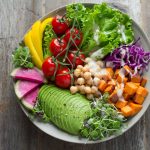
Embrace Vegetarianism Gradually for Sustainable Lifestyle Change
Making changes to your eating habits can feel overwhelming, particularly when it involves something as significant as adopting a vegetarian lifestyle. But here’s the good news: you don’t need to jump in with both feet right away. Gradual changes are safe, effective, and sustainable. Let’s explore how to ease into vegetarianism without giving up the meats you enjoy.
Why Consider a Vegetarian Lifestyle?
Vegetarianism offers numerous advantages, making it a worthy consideration:
Health Benefits: Incorporating more plant-based foods can reduce the risk of chronic diseases.
Environmental Impact: A vegetarian diet typically has a lower carbon footprint.
Shifting to vegetarian eating is not merely about cutting out meat; it’s about embracing a range of nutritious food options that can enhance your lifestyle.
Starting Slowly: How to Make the Switch
Diving headfirst into a new diet can often lead to frustration. Instead, consider a step-by-step process:
1. Assess Your Current Diet
Take a moment to examine what you currently eat. Make notes of your favorite meals and the meats you use most often. This can give you a starting point for substitutes.
2. Set Clear Goals
Establish realistic goals for yourself. Here are some ideas:
Go meatless one day a week.
Try making one vegetarian meal each week.
Reduce portion sizes of meat when you do eat it.
Having specific targets helps to transition slowly while keeping you motivated.
3. Explore Meat Alternatives
Start experimenting with meat substitutes. Here are a few options to consider:
Tofu: A versatile option that absorbs the flavors of your dishes.
Tempeh: This fermented soy product has a nutty flavor and a satisfying texture.
Seitan: Made from wheat gluten, it has a chewy texture similar to chicken.
Legumes: Beans and lentils are not only filling but also packed with nutrients.
Trying different options can help you discover what you enjoy the most.
Expand Your Food Horizons
Adopting a vegetarian diet opens up a world of flavors and cuisines. It’s an opportunity to enrich your meals. Here are some ideas:
1. Discover New Recipes
Diving into cookbooks or browsing food blogs can provide numerous vegetarian recipes to try. Look for recipes that highlight vegetables, grains, and legumes.
2. Visit Local Markets
Local farmers markets are a treasure trove of seasonal produce. Explore different fruits, vegetables, and grains that can enhance your meals.
3. Join a Community
Finding support can make your transition easier. Consider joining online forums or local groups focused on vegetarianism. Sharing experiences and recipes can be fun and motivational.
Maintain Balance and Nutritional Needs
As you shift to a vegetarian diet, it’s essential to focus on maintaining a balanced intake of nutrients. Some nutrients to pay attention to include:
Protein: Include various sources like beans, lentils, tofu, and seeds.
Iron: Dark leafy greens, nuts, and fortified foods can help meet your needs.
Vitamin B12: Consider fortified foods or supplements, as B12 is primarily found in animal products.
Omega-3 Fatty Acids: Chia seeds, flaxseeds, and algae oils are good vegetarian sources.
Being mindful of these nutrients helps ensure a healthy transition.
Listen to Your Body
It’s crucial to pay attention to your body’s responses as you make dietary changes. If you feel sluggish or unwell, it may indicate a need for adjustment. Don’t hesitate to tweak your meals or consult with a nutritionist.
Have Fun with the Process
Switching to a vegetarian diet doesn’t have to feel like a chore. Approach it with curiosity and enthusiasm. Cooking and eating can be enjoyable experiences that allow you to explore:
Creative Cooking: Try new spices and cooking techniques.
Food Pairing: Combine different textures and flavors for exciting meals.
Dining Out: Explore new restaurants offering vegetarian options.
Happiness in your meals will make the journey sustainable.
Reflect on Your Progress
Every change comes with its challenges. Reflect on your achievements, no matter how small. Celebrate your meatless days or enjoyable new recipes. Finding joy in the journey will keep you motivated.
Final Thoughts: Your Path to a Sustainable Diet
Embracing vegetarianism can be a rewarding journey. The key lies in taking gradual steps, maintaining balance, and keeping a positive outlook. Foster a spirit of exploration, and let the joy of discovery guide your eating habits. Remember, each small change is a step toward a healthier you. Happy eating!