Mastering Your Diet for Ultimate Success and Strength
In the quest for fitness and health, diet plays a major role. A well-structured diet helps you reach your strength and fitness goals. Mastering what you eat can be the game-changer in your journey toward achieving your desired results. So, how do you put together a diet that powers you through every workout and helps improve your overall health?
The Foundation of a Balanced Diet
The first step in conquering your diet is understanding its core components. A balanced diet provides the right mixture of essential nutrients that fuel your body. Here are the key elements you need to consider:
Proteins: Necessary for muscle repair and growth. Include lean meats, fish, eggs, and plant-based options like beans.
Carbohydrates: Your main source of energy. Favor complex carbs such as whole grains, fruits, and vegetables.
Fats: Important for hormonal balance and energy. Opt for healthy fats found in avocados, nuts, and olive oil.
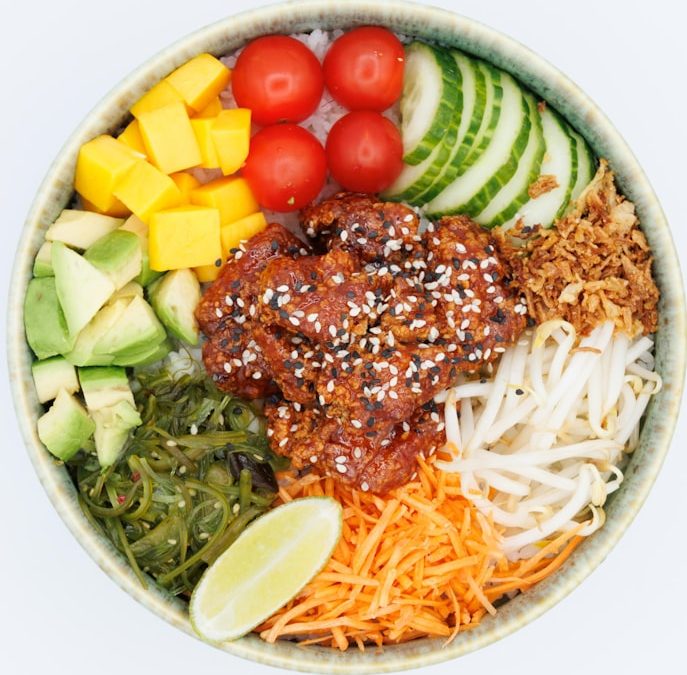
Vitamins and Minerals: Essential for various bodily functions. Focus on a wide variety of colorful fruits and vegetables.
By mixing these elements properly, you set yourself up for success.
The Importance of Meal Timing
When you eat is almost as important as what you eat. Proper meal timing can significantly affect your performance and recovery. Think about the following tips:
Pre-Workout Meals: Fuel up with easily digestible carbs and proteins an hour or two before your workout.
Post-Workout Nutrition: Refuel your body with protein and carbs right after exercising to kickstart recovery.
Regular Meal Schedule: Maintain a consistent eating schedule to keep your energy levels stable throughout the day.
Timing your meals helps maximize energy levels and performance.
Understanding Caloric Needs
Knowing how many calories your body needs is crucial. This helps you manage weight while supporting your fitness goals. Here’s how to get a basic understanding of your caloric needs:
1. **Calculate your Basal Metabolic Rate (BMR):** Utilize online calculators to estimate how many calories your body burns at rest.
2. **Determine your activity level:** Consider how active you are. If you exercise regularly, you’ll need more calories than someone who is sedentary.
3. **Adjust as necessary:** Aim for a slight caloric deficit for weight loss or a surplus for weight gain. Fine-tune the numbers based on your progress.
Balancing calories leads to effective weight management.
The Role of Supplements
Diet alone might not cover all your nutritional bases. This is where supplements can step in. However, it’s vital to choose wisely. Consider these points:
Protein powder: Use this to help meet your protein goals, especially if you’re busy or on the go.
Multivitamins: A good quality multivitamin can fill gaps in your diet, ensuring you get everything you need.
Creatine: Known for uplifting strength and stamina, creatine can help you push harder in training.
Always consult with a health professional before incorporating new supplements.
Staying Motivated
Your diet must serve your goals, and staying motivated is key. A few strategies can keep your motivation afloat:
Set clear goals: Start with specific and achievable targets.
Track your progress: Use apps or journals to monitor what you eat and your results. Seeing progress can be incredibly motivating.
Find a community: Surround yourself with like-minded individuals who can inspire and uplift you.
Motivation fuels your journey to success.
The Importance of Mindfulness in Eating
Mindful eating is an effective approach that can lead to better decision-making when it comes to food. By focusing on your meals, you can improve your relationship with food. Here’s how to practice mindfulness:
Slow down: Take your time while eating. Enjoy the flavors and textures of your food.
Listen to your body: Pay attention to hunger and fullness cues. Eat when you’re hungry and stop when satisfied.
Avoid distractions: Steer clear of screens during meals to fully engage with your dining experience.
Fostering mindfulness can lead to making healthier choices.
Conclusion
Mastering your diet is about understanding nourishment and making informed decisions. A balanced diet, strategic meal times, awareness of caloric needs, and incorporating supplements can propel you toward your goals. Staying motivated and practicing mindfulness are essential to maintain a healthy relationship with food.
Consider your diet an essential part of your success journey. When you make informed choices about what you eat, you’re investing in your well-being, strength, and fitness goals. Your efforts will not only support your physical attributes but also boost your overall confidence and performance in life.
Are you ready to take charge of your nutrition and achieve lasting success? Start today!