Stop Daily Stock Checks for Greater Financial Success
Why Checking Stocks Daily is a Mistake
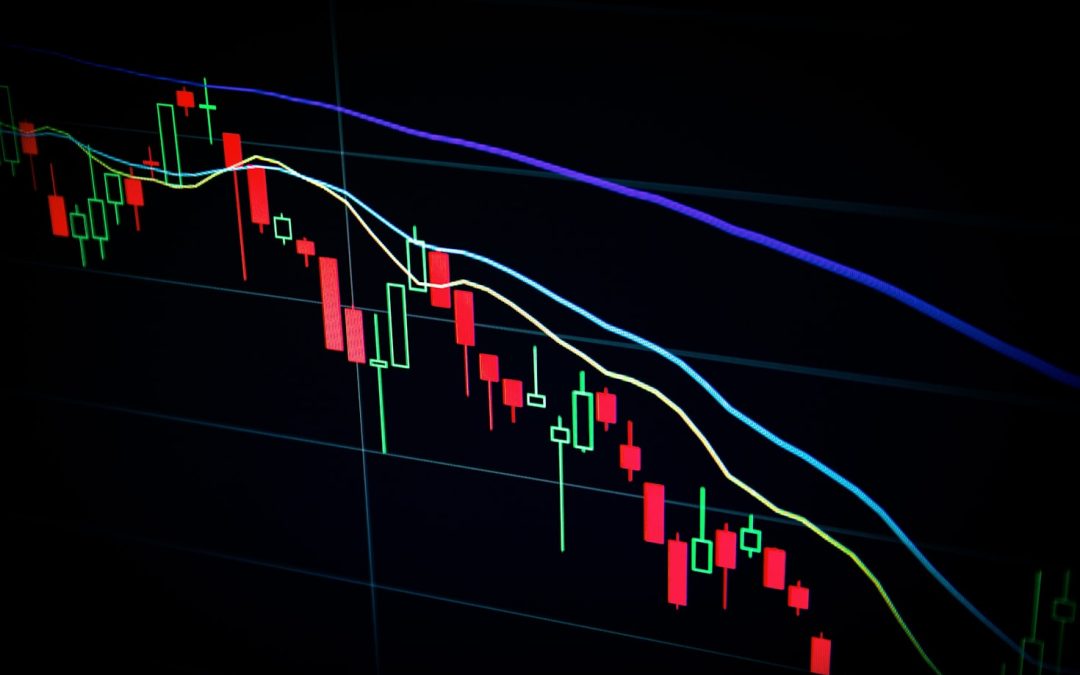
Many people, eager to see their investments grow, fall into the trap of checking their stock prices daily. This habit often leads to unnecessary stress and confusion. Constantly monitoring stock values can create an emotional rollercoaster. Every dip can feel like a catastrophe, while every rise may prompt thoughts of incredible wealth.
Investing is a long-term game. Day-to-day fluctuations in the stock market are normal. Reacting to these changes can cloud judgment and lead to poor financial decisions. Instead of focusing on momentary changes, consider a more strategic approach.
The Downside of Daily Monitoring
Checking your stocks daily can lead to several issues:
Anxiety: Regular stock checks can cause panic during market downturns, prompting rash decisions.
Short-Term Focus: Daily checks may shift your focus from long-term growth to short-term fluctuations, impacting your overall strategy.
Emotional Decision-Making: Emotions can drive decisions, leading to buying high and selling low.
Lack of Discipline: Continual checking can disrupt a well-laid-out plan, driving you off course.
These pitfalls can hinder your path to financial success.
Focus on the Bigger Picture
Every investor faces market fluctuations. Instead of panicking over daily changes, consider adopting a more patient mindset. Here’s how to do it:
1. Set Long-Term Goals
Define your financial objectives clearly. Ask yourself questions like:
– What do I want to achieve in five years?
– How does each investment fit into my financial plan?
Having concrete goals can provide a clearer roadmap.
2. Establish a Regular Review Schedule
Instead of daily checks, choose a regular schedule to review your investments:
Monthly checks can help you track growth without stressing over daily changes.
Quarterly reviews allow for deeper analysis and adjustments if needed.
This approach keeps you informed but not overwhelmed.
3. Understand Market Cycles
Markets go through cycles. Some months you may see gains, while others reveal losses. Educating yourself about these cycles can reduce the emotional impact of market fluctuations.
Knowing that downturns are often followed by recoveries can help you stay calm.
Benefits of a Hands-Off Approach
Adopting a less frequent monitoring style can yield several advantages:
Reduced Stress: Taking a break from daily checks can alleviate financial anxiety.
Better Decision-Making: A calm mind is more effective in making thoughtful financial choices.
Focus on Strategy Rather than Noise: Avoid being distracted by everyday fluctuations. Focus on your long-term strategy instead.
A hands-off approach cannot be emphasized enough when aiming for long-term success in investing.
Tools to Keep You Informed
If you feel that you need to stay updated without constant checking, consider using investment tracking tools. They can alert you to significant changes without the need for daily involvement.
1. Portfolio Tracking Apps
Apps can allow you to set limits or alerts on specific stocks. You can choose how often you receive notifications on your portfolio update.
2. Newsletters and Market Reports
Subscribing to investment newsletters can offer insightful updates without constant stock-checking. Focus on quality over quantity in the news you consume.
Building Financial Confidence
Investing is part of a broader financial journey. Building confidence can happen through education and strategy, leading to more sound investment choices. Here are some ways to develop this confidence:
Educate Yourself: Read books or take courses on investing to gain knowledge.
Seek Professional Advice: Sometimes, getting expert opinions can help ease concerns.
Practice Patience: Embrace the slow, steady journey of investing.
Creating a foundation of knowledge can fortify your approach towards financial decisions.
Final Thoughts on Investment Strategies
Stepping away from daily stock checks can drastically improve your investment experience. By focusing on long-term goals and reducing emotional reactions to market fluctuations, you will nurture your financial health.
You won’t miss out on important information with a structured approach. Instead, you will empower your financial journey by protecting yourself from the stress of daily market changes.
Start your investment path with clarity and purpose. Each step you take moves you closer to achieving your financial goals. Whether it’s distant retirement plans or building an emergency fund, working smarter—not harder—is the key.
Your financial well-being is an investment in yourself. Trust the process and watch your money grow without the daily stressors. Today is an excellent time to commit to a calmer, more confident approach to managing your investments.