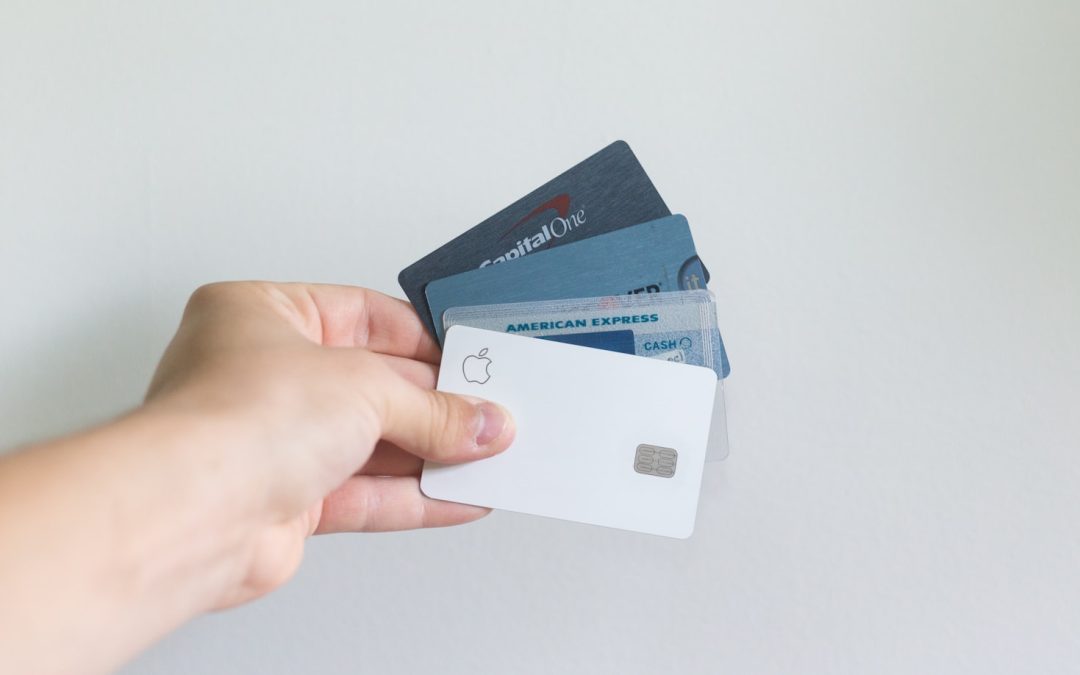
The Optimal Number of Credit Cards for Financial Success
Understanding Credit Cards
Credit cards can be powerful tools for managing finances. They offer convenience, rewards, and benefits, but they also pose risks if not used wisely. Knowing how many credit cards to have is essential for financial stability.
So, how many credit cards should you have? The answer can vary based on personal circumstances, but understanding the basics is key to making informed decisions.
The Benefits of Having Multiple Credit Cards
Having more than one credit card can provide several advantages:
Improved Credit Score: A healthy credit history can boost your credit score. Each card contributes to your credit utilization ratio, which is a significant factor in your score.
Greater Buying Power: Multiple cards mean more available credit, making it easier to make large purchases without exceeding your limit.
Rewards and Benefits: Different cards often provide unique rewards. One might offer cash back on groceries, while another excels in travel points.
What to Consider Before Getting More Cards
Before you rush to apply for several credit cards, consider the following points:
Your Spending Habits: Assess how often you use credit cards and for what purpose. Do you travel frequently? Or do you prefer to shop online? This will guide your choices.
Credit Management Skills: Are you disciplined with your payments? If so, having multiple cards may benefit you. If you struggle with repayments, it’s better to stick with one or two.
Annual Fees: Some credit cards come with high fees. Make sure the benefits outweigh these costs.
Finding Your Ideal Number of Credit Cards
The ideal number of credit cards often falls between two to five. Here’s why:
Two Cards: This is usually enough to cover different spending categories while ensuring you manage credit wisely. One card can focus on everyday purchases, while another can provide rewards for specific areas like travel.
Three to Five Cards: If you’re financially savvy and can keep track of payments easily, this range offers flexibility and maximizes rewards. A mix of cashback and travel rewards can elevate your savings while providing benefits throughout the year.
Too Many Credit Cards: The Downsides
Having too many credit cards can lead to complications:
Higher Risk of Debt: More cards can mean more potential debt. A casual swipe may lead to overspending.
Impacted Credit Score: Applying for too many cards in a short time can negatively affect your credit score due to multiple inquiries.
Difficulty Monitoring Accounts: Managing many cards can complicate your finances. Keeping track of due dates and payments may overwhelm even the most diligent individuals.
Practical Tips for Managing Credit Cards
Managing multiple credit cards requires a strategy. Here are some practical tips:
Set Alerts: Use notifications to remind yourself of payment dates. Late payments can lead to fees and impact your credit score.
Keep Usage Balanced: Don’t let one card get maxed out. Spread out your purchases to maintain a good credit utilization ratio.
Review Statements Regularly: Stay on top of your spending. Monthly reviews can help spot any mistakes or unauthorized charges.
Know When to Close or Keep a Card
When determining which credit card to keep, ask yourself these questions:
Does it have a useful reward? If a card is costing you more than you gain, it might be time to let it go.
Is the annual fee worth it? Examine how much you earn in rewards versus what you pay. If the math doesn’t add up, consider closing the account.
Final Considerations
Finding the optimal number of credit cards for your financial success depends on personal behavior and preferences. Keeping it simple yet strategic often leads to effective credit management.
Whether you choose to have two credit cards or branch out to five, the emphasis should always be on responsible use. A responsible approach to credit not only protects your finances but also builds a solid credit history that can serve you in the long run.
Stay informed, make wise choices, and you’ll be on track for financial success. What’s your strategy for managing credit cards?