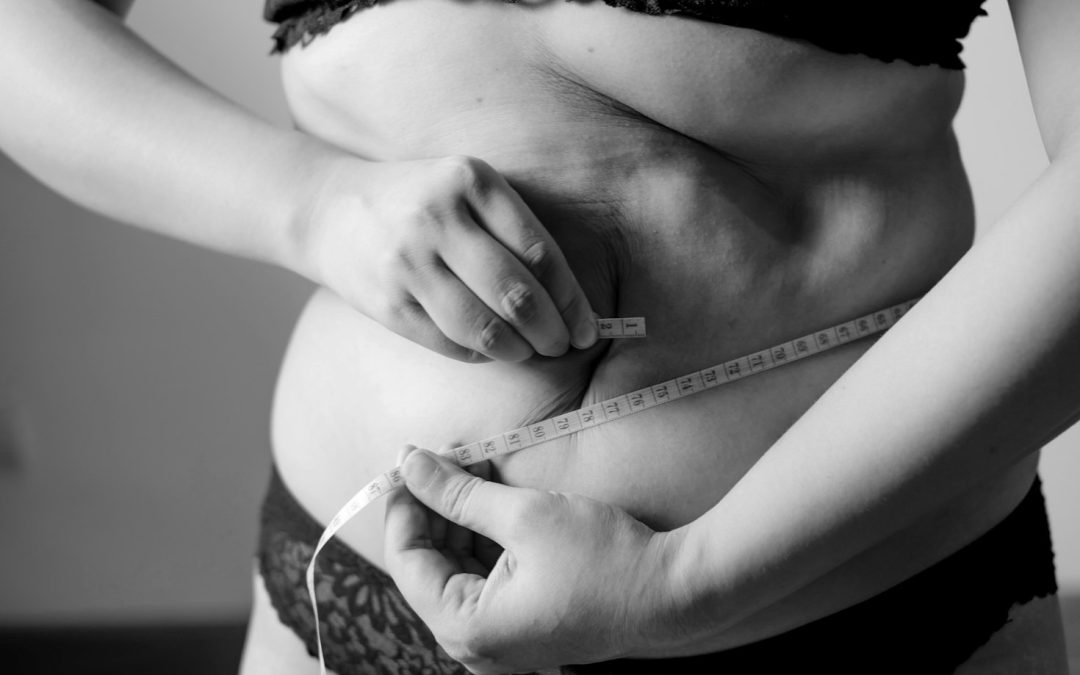
Understand Hypothyroidism: Empower Your Life with the Right Diet
What Is Hypothyroidism?
Hypothyroidism occurs when the thyroid gland doesn’t produce enough hormones. This can lead to a range of health issues, affecting energy levels, weight, mood, and overall well-being. Symptoms often include fatigue, weight gain, cold sensitivity, and depression. Addressing this condition requires more than just medication—it demands a strategic approach to diet.
Why Nutrition Matters
Nutrition plays a vital role in managing hypothyroidism. The right foods can help support thyroid function and alleviate some symptoms. A poor diet, on the other hand, may worsen the condition. Here are some key reasons why focusing on nutrition is important:
Supports Hormone Production: Certain foods can increase thyroid hormone levels.
Reduces Inflammation: A balanced diet may decrease inflammation, which can be beneficial for thyroid health.
Enhances Energy Levels: The right nutrients provide the energy needed to combat fatigue.
Foods to Include in Your Diet
A well-rounded diet can be a game changer. Here’s a list of beneficial foods to consider:
1. Whole Foods
Focus on whole, unprocessed foods. These are beneficial for overall health and can provide essential nutrients. Consider:
Fruits: Berries, oranges, and bananas.
Vegetables: Leafy greens, cruciferous vegetables, and root vegetables.
Whole Grains: Oats, quinoa, and brown rice.
2. Lean Proteins
Incorporate lean sources of protein to support muscle health and energy. Options to consider are:
Chicken and turkey.
Fish, especially those rich in omega-3 fatty acids like salmon.
Legumes, such as lentils and chickpeas.
3. Healthy Fats
Healthy fats can improve overall health and are crucial for hormone production. Include:
Avocados.
Nuts and seeds.
Olive oil and other healthy oils.
Foods to Avoid
Some foods may interfere with thyroid function or exacerbate symptoms. Be cautious with:
Processed Foods: High in sugars and unhealthy fats, they can lead to weight gain and inflammation.
Gluten: Some people with hypothyroidism may be sensitive to gluten, which can aggravate symptoms.
Cruciferous Vegetables: While healthy, in large amounts they can inhibit thyroid hormone production. Limit intake of raw broccoli, kale, and cabbage.
Specific Nutrients Important for Thyroid Health
Certain nutrients can support thyroid function. Here’s what to focus on:
1. Iodine
Iodine is essential for thyroid hormone production. Include iodine-rich foods such as:
Seaweed.
Fish.
Iodized salt.
2. Selenium
Selenium helps convert the inactive thyroid hormone (T4) into its active form (T3). Sources include:
Brazil nuts.
Eggs.
Tuna.
3. Zinc
Zinc is important for hormone regulation. Foods rich in zinc include:
Beef.
Shellfish.
Legumes and seeds.
Maintaining a Balanced Lifestyle
Diet is only one part of managing hypothyroidism. A balanced lifestyle can enhance your overall wellness. Here are some additional tips:
Physical Activity: Regular exercise can help maintain a healthy weight and improve mood. Aim to include both aerobic and strength-training activities.
Sufficient Sleep: Quality sleep is essential for hormone regulation and energy levels. Aim for 7-9 hours of sleep each night.
Stress Management: High stress can impact thyroid function. Explore relaxation techniques, such as meditation or yoga.
Consulting a Professional
Working with a healthcare provider or a nutritionist can provide tailored guidance for managing hypothyroidism through diet. Individual needs can vary, and professional advice ensures you’re on the right track.
Final Thoughts
Managing hypothyroidism through diet is both empowering and essential. By focusing on the right foods and maintaining a balanced lifestyle, you can significantly improve your quality of life. Are you ready to take control of your health? Start with small changes and watch as they make a positive difference. Embrace the journey toward better health!