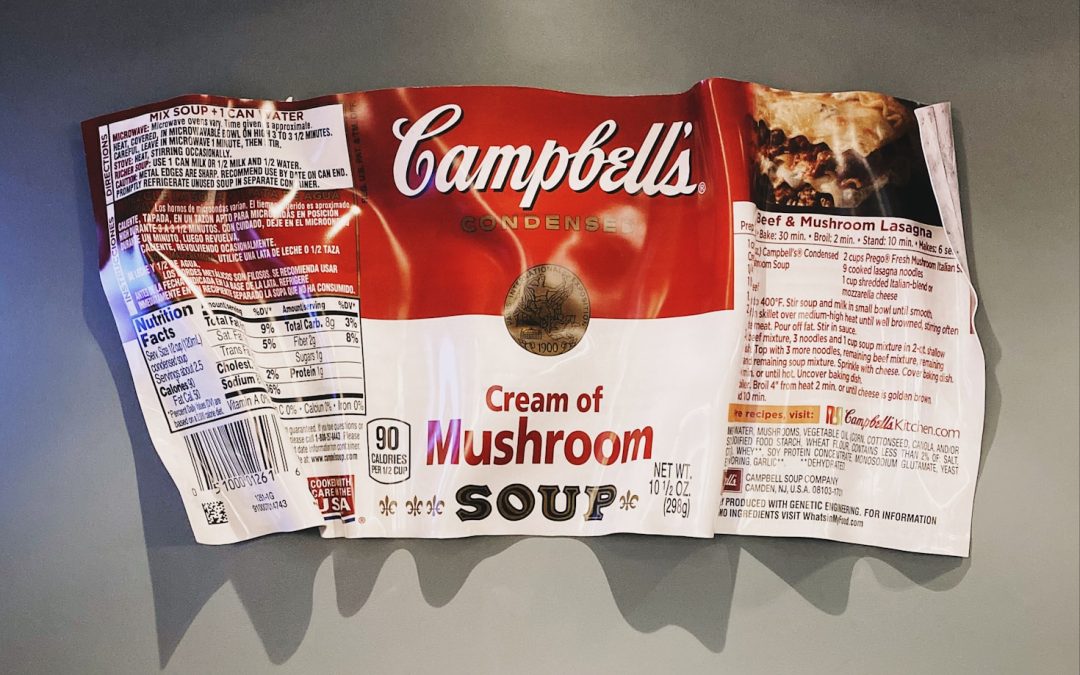
Understanding Food Labels for a Healthier, Successful You
Have you ever seen a food label and felt overwhelmed? You’re not alone. Food labels can seem like a mix of numbers, percentages, and unfamiliar terms. However, understanding these labels is essential for making smart choices that support your health and success. Let’s dive in and break it down.
Why Food Labels Matter
Food labels are more than just stickers on packaging. They are a powerful tool that can help you make informed decisions. Knowing how to read these labels empowers you to choose foods that align with your health goals.
Here’s why understanding food labels is important:
Know What You’re Eating: Labels tell you exactly what ingredients are in your food. This transparency helps you avoid unwanted additives and allergens.
Make Healthy Choices: By checking the nutritional information, you can select options that are lower in sugars, fats, or calories, whatever suits your needs.
Track Your Intake: If you’re monitoring metrics like protein or fiber intake, labels provide a clear view of what you’re consuming.
Key Components of Food Labels
Understanding the different sections of food labels can break down the confusion. Here’s what to look out for:
Nutritional Facts
The nutrition facts panel provides essential information. Focus on these key areas:
Serving Size: This tells you how much of the product is considered one serving. Be mindful! Larger packages often contain multiple servings.
Calories: Keep an eye on the calorie count to fit your energy needs. More calories don’t always equal more nutrition.
Nutrients: Look for amounts of fats, carbohydrates, proteins, and fiber. Aim for foods high in fiber and low in saturated fats.
Ingredients List
Ingredients are listed in order of quantity. The first few ingredients are what the food contains most. Here are tips for navigating the ingredients list:
Avoid Long Lists: The longer the list, the more processed the food likely is. Aim for shorter ingredient lists.
Spot the Red Flags: Watch for added sugars, sodium, and artificial ingredients. Be cautious if you see ingredients you cannot pronounce.
Understanding Health Claims
Food products often make health claims that can be misleading. These claims may sound promising, but they aren’t always what they seem. Here’s how to navigate them:
Natural: Just because something is labeled “natural” doesn’t mean it’s healthy. Check the ingredients.
Low-Fat: “Low-fat” doesn’t mean low-calorie. Often, fat is replaced with sugar, leading to a product that is not much better for you.
Fortified: If a food is fortified with vitamins or minerals, it doesn’t automatically make it a healthy option. Evaluate the whole product.
Putting It All Together
Now that you understand the basics of food labels, how can you apply this knowledge in your daily life? Here are some actionable steps you can take:
Make a Habit: Always check labels before purchasing food. This habit can lead to better choices over time.
Prioritize Whole Foods: Fresh fruits, vegetables, whole grains, and natural proteins usually require less label scrutiny.
Plan Meals: By preparing meals at home, you have total control over what goes into your food.
Final Thoughts
Taking the time to understand food labels gives you the power to make informed decisions. Your health is vital for your overall success, and knowing what you’re consuming is a significant first step.
So the next time you’re at the grocery store and you see a food label, remember this: each item you put in your cart reflects your commitment to a healthier you. With this knowledge, you have the tools to fuel your body and keep moving toward your goals.
Feeling motivated? Sign up for our newsletter today to receive more tips on healthy eating and living! Together, let’s make choices that support your journey toward success!