Understanding High Protein Intake and Kidney Health for Success
When it comes to diet, protein often takes the spotlight. It is crucial for various bodily functions, but how does it affect kidney health? For many, the fear of kidney damage through high protein intake can overshadow the actual benefits of protein. Let’s dive deep into the facts and clear some misconceptions.
The Role of Protein in Our Diet
Protein is an essential macronutrient that plays a role in:
Building and repairing tissues.
Producing enzymes and hormones.
Supporting immune function.
Providing structural support to cells.
A diet rich in protein can help maintain muscle mass, support weight loss, and improve overall health. However, some people worry that high protein consumption may lead to kidney problems.
What Do Studies Say About Protein and Kidney Health?
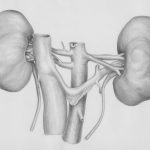
Research indicates that for individuals with healthy kidneys, a high protein diet is generally considered safe. Most people can benefit from a higher protein intake without jeopardizing kidney function. However, those with pre-existing kidney conditions may need to be cautious.
Key points are:
Healthy individuals can typically handle increased protein without adverse effects.
Patients with chronic kidney disease should consult healthcare professionals about their protein needs.
Protein sources, such as plant-based options, can be gentler on the kidneys compared to high quantities of red meat.
As you think about your protein intake, consider this: Are you choosing quality over quantity? The type of protein you consume matters.
Benefits of High Protein Diets
Switching to a high protein diet can lead to several advantages:
Weight Management: High protein diets can promote satiety, helping to control hunger and reduce overall calorie intake.
Muscle Health: Increased protein supports muscle maintenance, especially critical as we age or engage in regular exercise.
Thermogenic Effect: Protein has a higher thermic effect than fats or carbohydrates. This means your body burns more calories digesting protein.
These benefits can guide you in the right direction as you seek a balanced diet, but always be mindful of your individual health needs.
Listening to Your Body
Each person is different. How your body responds to high protein intake is unique to you. Pay attention to factors such as:
Energy levels.
Digestion and gut health.
Mood and mental clarity.
If you experience negative symptoms like digestive issues or fatigue, it may be time to adjust your diet, potentially even lowering protein or incorporating different sources.
Protein Sources to Consider
Whether you are looking to increase protein for health or fitness goals, consider a variety of sources. Here are a few:
Animal-Based Proteins: Chicken, fish, eggs, and dairy products can be excellent protein sources.
Plant-Based Proteins: Lentils, beans, chickpeas, and tofu are all great options to diversify your intake.
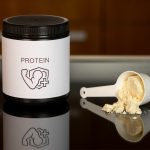
Supplements: Protein powders can be convenient, but whole foods are always the best option.
When planning meals, mix different sources to ensure you receive a wide spectrum of nutrients.
The Takeaway
In conclusion, a high protein diet, when managed correctly, is safe and beneficial for most people, especially those with healthy kidneys. Here is a quick recap of what you should remember:
Protein is essential for a healthy lifestyle.
Consult a healthcare professional if you have kidney issues.
Choose quality protein sources.
Monitor how your body reacts.
Your health journey is personal. Always prioritize what works best for you. As you venture into a higher protein world, feel confident in the knowledge that you are making informed choices. Let’s make choices that support both our health and our goals!