Understanding Nutrition Advice: Can Personal Trainers Guide You?
When it comes to fitness, many people think of personal trainers as the key to achieving their goals. They master exercise techniques, create workout plans, and motivate clients to push their limits. But what about nutrition? Can personal trainers really provide reliable nutrition advice?
This article explores the relationship between personal trainers and nutrition guidance so you can make informed choices about your wellness journey.
The Role of Personal Trainers
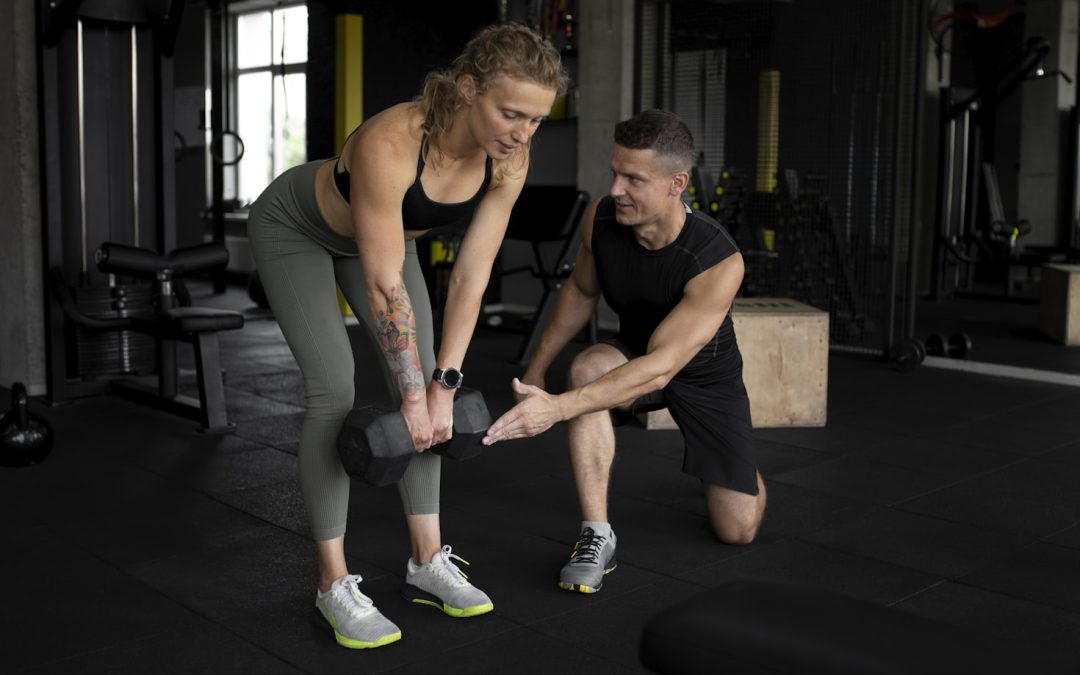
Personal trainers are professionals who help clients achieve their fitness goals. Their primary focus is on creating effective workout plans that cater to individuals’ strengths, weaknesses, and goals. However, they often also venture into nutrition territory. Here’s where things can get tricky.
It’s essential to understand that personal trainers are not nutritionists or dietitians. They lack the same depth of knowledge that licensed professionals have when it comes to food science, dietary needs, and nutritional disorders. This distinction is important for several reasons:
Health Risks: Offering nutrition advice without proper training can lead to health risks.
Legal Boundaries: In many regions, providing specific dietary plans without the proper credentials can lead to legal issues.
Tailored Guidance: Nutrition is highly individual. What works for one person may not work for another, and a personal trainer may not have the tools to customize nutrition advice effectively.
What Personal Trainers Can Do
Although personal trainers are not the go-to for intricate nutrition plans, they can still offer some general advice that benefits clients. Here are ways they can assist:
General Nutritional Information: Trainers often share broad guidance on healthy eating habits and how they fit into fitness routines.
Support for Healthy Choices: They can help clients develop a mindset focused on healthy eating and portion control.
Accountability: By including nutrition discussions in training sessions, they help clients stay accountable for their choices.
It’s important for trainers to make it clear when they are giving general advice and when they are veering into unqualified territory.
Best Practices for Navigating Nutrition Advice
If you are working with a personal trainer and want nutritional support, consider these strategies:
1. **Ask Questions:** Inquire about their certifications and experience in nutrition. Understanding their background sets a foundation for trust.
2. **Seek a Nutrition Professional:** For tailored meal plans and dietary advice, consider consulting with a registered dietitian or nutritionist. They can provide credible insights based on scientific research.
3. **Understand Nutrition Basics:** Familiarize yourself with basic nutrition concepts. Read up on macronutrients, micronutrients, and the importance of a balanced diet. This knowledge will empower you to make better choices.
4. **Discuss Preferences and Goals:** Communicate your dietary needs clearly with both your trainer and a nutrition expert to align fitness and nutrition plans.
Challenges in Nutrition Guidance
Navigating nutrition in the fitness industry can be a challenge. Misleading information, fad diets, and trends can confuse individuals trying to make healthy choices. Here are some considerations:
Misinformation: Many individuals may offer nutritional advice based on personal experiences rather than science.
Fad Diets: Quick-fix diets often lack sustainability and can lead to unhealthy habits.
Social Media Influence: Platforms can promote misleading trends that are not backed by credible research.
As a consumer, relying on qualified professionals for nutrition advice is crucial in avoiding pitfalls associated with misinformation.
Conclusion
The intersection of fitness and nutrition is significant for achieving overall health. While personal trainers certainly provide invaluable support in workouts, they are not a substitute for professional nutrition advice. Engage with both trainers and nutritionists to construct a comprehensive health plan that suits your needs.
By balancing workout guidance and nutritional support, you set yourself up for success. Adopting a holistic approach gives you the best chance to reach your health goals in a safe and effective manner.
Final Thoughts
Remember, fitness is about more than just sweating it out in the gym. Nutrition plays a fundamental role in your progress and wellbeing. Trust those who are qualified and maintain dialogue with professionals in both fields. You deserve a plan tailored to you, and collaboration is the way to go.
Invest in your health today, and start making those informed choices!