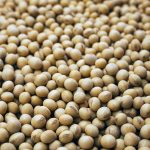
Unlocking Health: How to Incorporate Flaxseed into Your Diet
Flaxseed is a small seed that packs a big punch when it comes to nutritional benefits. It’s often overlooked, but this powerhouse can play a vital role in enhancing your overall wellness. Would you like to discover how to add this incredible seed to your daily meals? Let’s dive into the world of flaxseed and learn how to incorporate it into your diet seamlessly.
Why Flaxseed?
Flaxseed is nutrient-dense and offers many health benefits, making it an excellent addition to your meals. Here are some reasons to consider adding flaxseed to your diet:
Rich in Omega-3 Fatty Acids: Flaxseed offers an abundance of ALA (alpha-linolenic acid), a type of omega-3 that can promote heart health.
High in Fiber: It provides both soluble and insoluble fiber, which can support digestive health and help maintain a healthy weight.
Antioxidants: Flaxseed contains lignans, compounds that have antioxidant properties and may help reduce the risk of certain cancers.
Natural Hormone Balancer: Lignans may also help balance hormones, which is beneficial for both men and women.
These benefits make flaxseed a simple yet effective way to boost your diet.
How to Add Flaxseed to Your Meals
Incorporating flaxseed into your diet is easy and can be done in various ways. Here are some practical suggestions:
1. Flaxseed Meal
Grinding flaxseeds into meal enhances their digestibility. Use flaxseed meal in:
Smoothies: Just a tablespoon mixed in can give your drink a creamy texture and a nutrient boost.
Baking: Substitute up to ¼ cup of flour with flaxseed meal in recipes for muffins, pancakes, or breads.
Oatmeal: Stir some flaxseed meal into your morning oats for extra fiber and nutrients.
2. Whole Flaxseeds
You can use whole flaxseeds as long as you chew them well. However, they may pass through the digestive system undigested, so grinding is often preferable. Use whole flaxseeds as:
Salad toppings: Add a sprinkle for a nutty crunch.
Yogurt: Mix them into yogurt for added texture and nutrients.
3. Flaxseed Oil
Flaxseed oil is another way to add flaxseed’s benefits to your diet. Here’s how you can use it:
Salad dressings: Drizzle flaxseed oil over your salads for a delicious and healthy alternative to traditional dressings.
Dips: Combine flaxseed oil with herbs for flavor-packed dips.
4. Get Creative!
Don’t be afraid to experiment. Flaxseed can also be incorporated into homemade energy bars, smoothies bowls, and even as an egg substitute in vegan baking (1 tablespoon of ground flaxseed mixed with 3 tablespoons of water for each egg).
Understanding Serving Sizes
When introducing flaxseed into your diet, moderation is key. Here are some recommended serving sizes:
1 to 2 tablespoons of ground flaxseed per day is adequate for most people.
When using flaxseed oil, about 1 tablespoon a day is enough to reap the benefits.
Be mindful of choosing appropriate serving sizes. Too much flaxseed may lead to digestive discomfort due to its high fiber content.
Tips for Buying and Storing Flaxseed
When purchasing flaxseed, consider the following:
Opt for Organic: Whenever possible, choose organic flaxseeds to avoid pesticides.
Ground vs. Whole: Ground flaxseed is advisable unless you plan to grind whole seeds yourself right before use.
Storage: Keep flaxseed in a cool, dark place or refrigerate it to maintain freshness.
Before using flaxseed products, always check for expiration dates to ensure they are fresh and safe.
Potential Drawbacks
Though flaxseed is beneficial, there are a few considerations:
Allergies: Some individuals may experience allergic reactions, so consult your physician if you’re unsure.
Hormonal Effects: Those with hormone sensitivities should speak to a healthcare professional before adding large amounts to their diet.
Making an informed decision ensures you get the best health benefits without any adverse effects.
Final Thoughts
Flaxseed is a simple way to boost your nutrition. Whether you use it in meals, snacks, or as an oil, the health advantages are worth it. With its rich source of omega-3 fatty acids, fiber, and antioxidants, it’s a small seed that can create a big impact.
Now that you have all the information, why not give flaxseed a try? Start by adding it to your breakfast or get creative with recipes. Your body will thank you!
Are you ready to embark on this healthy eating journey? Incorporating flaxseed is just one step towards achieving a balanced diet. Let us make healthier choices together!