Unlocking Success: The Power of Fiber in Your Diet
The Importance of Fiber
Fiber is essential for a healthy diet, yet many people overlook it. Incorporating fiber-rich foods can bring numerous health benefits that lead to a better quality of life. Here’s why you should prioritize fiber in your meals:
Digestive Health: Fiber supports proper digestion and helps maintain regular bowel movements. It can prevent constipation and promote a healthy gut.
Weight Management: Foods high in fiber keep you feeling full longer. This reduces the urge to snack and can assist in maintaining a healthy weight.
Heart Health: High-fiber diets can lower cholesterol levels, reducing the risk of heart disease.
Blood Sugar Control: Fiber slows down the absorption of sugar, which can stabilize blood sugar levels and prevent spikes.
Lower Risk of Certain Diseases: A fiber-rich diet may decrease the risk of developing type 2 diabetes and certain forms of cancer.
Types of Dietary Fiber
There are two main types of dietary fiber: soluble and insoluble, and both play vital roles in health.
Soluble Fiber
Soluble fiber dissolves in water and can help lower cholesterol and blood sugar levels. It can be found in:
Oats
Beans
Apples
Citrus fruits
Insoluble Fiber
Insoluble fiber does not dissolve in water. It adds bulk to the stool and aids in digestion. Good sources include:
Whole grains
Nuts
Vegetables like carrots and celery
Green leafy vegetables
Tips for Adding More Fiber to Your Diet
Incorporating fiber into your daily meals doesn’t have to be challenging. Here are some practical tips to boost your fiber intake:
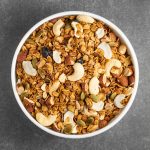
Start Your Day with Oatmeal: Swap sugary cereals for oatmeal topped with fruit and nuts.
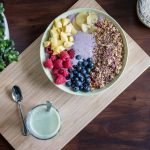
Snack on Fruits and Veggies: Keep fruits and raw vegetables handy for quick, fiber-rich snacks.
Choose Whole Grains: Opt for whole grain options like brown rice, quinoa, and whole wheat bread instead of refined grains.
Add Legumes to Meals: Include beans, lentils, and chickpeas in salads, soups, and casseroles.
Boost Soups and Stews: Add more vegetables and grains to soups and stews for extra fiber.
Potential Challenges with Fiber Intake
While fiber is beneficial, increasing your intake suddenly can lead to digestive discomfort. Here are a few tips to navigate this challenge:
Increase Gradually: Add fiber-rich foods slowly to your diet to allow your digestive system to adjust.
Hydrate: Drink plenty of water to help fiber do its job effectively.
Listen to Your Body: Pay attention to how your body reacts when you change your fiber intake.
The Bottom Line
Embracing a fiber-rich diet is a simple way to enhance your overall health. By making gradual changes and integrating fiber into your meals, you’ll not only enjoy immediate benefits but also support long-term health goals. Remember, healthy eating is not an all-or-nothing journey; it’s about finding what works best for you.
Are you ready to take the next step toward optimizing your diet? Sign up for the Success Learned newsletter today and receive expert tips, motivation, and insights straight to your inbox! Your journey to health and success starts with informed choices today.