Unlocking the Power of Probiotics for Optimal Wellness
The Basics of Probiotics
Probiotics are living microorganisms that can provide health benefits when consumed in adequate amounts. Often referred to as “good” or “friendly” bacteria, they play an important role in maintaining gut health. Probiotics can be found in foods like yogurt, sauerkraut, and supplements.
But what exactly do these tiny organisms do for our bodies? It’s time to explore how they contribute to our well-being.
The Benefits of Probiotics
Incorporating probiotics into your diet can be a game-changer for your health. Here are some potential benefits:
Gut Health: Probiotics help restore and maintain a healthy balance of gut bacteria, which is essential for digestion.
Boost Immunity: A healthy gut supports a stronger immune system, helping to fend off illnesses.
Mental Health Connection: Emerging research suggests that probiotics may influence mental health, reducing symptoms of depression and anxiety.
Digestive Support: They can aid in alleviating issues such as bloating, diarrhea, and constipation.
Skin Health: Some studies indicate that probiotics may improve skin conditions like eczema and acne.
A healthy gut can positively impact various aspects of life, proving that these little organisms are more significant than they might seem.
How Do Probiotics Work?
Probiotics function by interacting with the gut microbiome. This microbiome consists of trillions of bacteria, both good and bad. Probiotics help to promote the growth of beneficial bacteria and suppress harmful ones, creating a healthier internal environment.
They can also produce substances that inhibit harmful bacteria and improve the overall functioning of the gut. This interaction is crucial in sustaining a balanced digestive system and overall health.
Choosing the Right Probiotic
Not all probiotics are the same, and it’s essential to choose one that suits your individual needs. Consider the following when selecting a probiotic:
Strain Matters: Different strains have varying effects. Some are better for gut health, while others may be beneficial for mental health.
CFU Count: Look for a product with at least 1 billion CFUs (colony-forming units) per serving for effectiveness.
Delivery Method: Some probiotics are available in capsule, powder, or food form. Choose based on your preference for easiest consumption.
Check the Label: Ensure the product contains live cultures and check for expiry dates to guarantee potency.
Are you experiencing digestive problems or looking to boost your immune system? Finding the right probiotic can be a worthwhile step in your wellness journey.
Probiotics in Food vs. Supplements
Many people might wonder whether they should consume probiotics through food or supplements. Both options have their advantages and can significantly contribute to your health.
Food Sources: Natural food sources of probiotics can be an enjoyable and delicious way to incorporate them into your diet. Foods like yogurt, kimchi, and kefir are not only nutritious but also packed with beneficial bacteria.
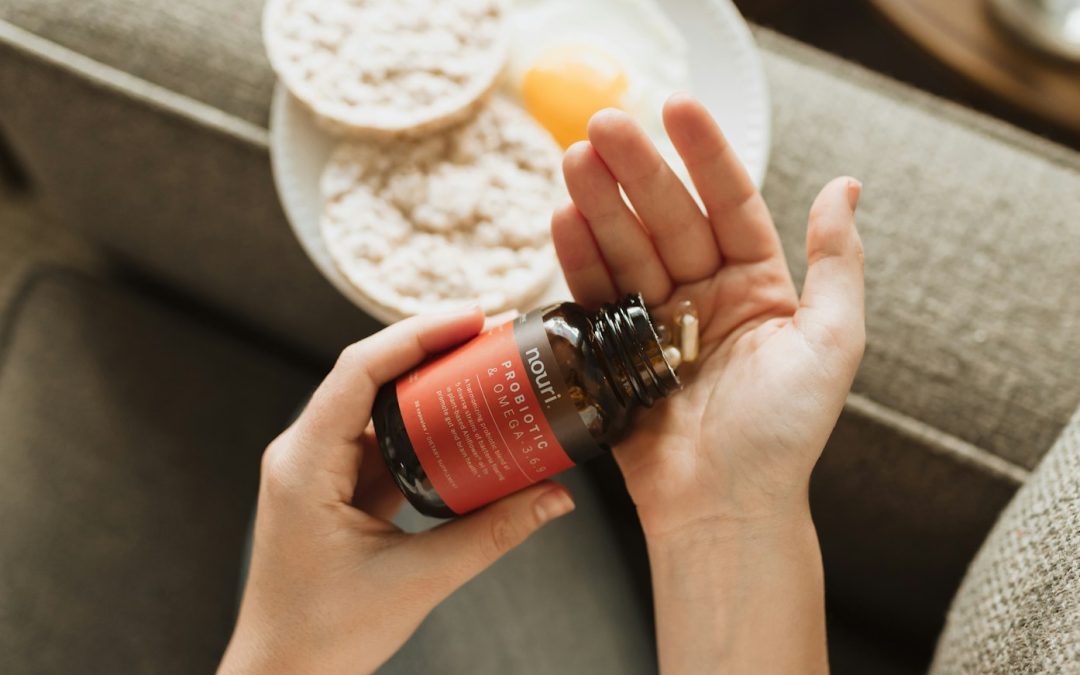
Supplement Sources: If you find it challenging to get enough probiotics through food alone, supplements can be a convenient alternative. They come in various forms, including capsules, powders, and gummies, making it easy to include them in your daily routine.
Each option has its benefits, and it’s essential to select what works best for you.
Are Probiotics Right for Everyone?
While probiotics are generally safe for most people, it’s best to consult a healthcare professional before starting a new supplement, especially if you have underlying health concerns or conditions. Certain individuals, like those with immunodeficiency disorders, should approach probiotics with caution.
Strong microbiome health should be a priority for everyone, but the route to achieving it can vary.
The Importance of a Balanced Diet
Probiotics are just one aspect of gut health. Maintaining a balanced diet should also be a top priority in your wellness journey.
Incorporate a variety of foods rich in fiber and nutrients. This supports the growth of beneficial bacteria and allows for a comprehensive approach to optimizing your health.
Here are some examples of foods to include:
Fruits and vegetables (like bananas, apples, and leafy greens)
Whole grains (such as oats and quinoa)
Nuts and seeds (like flaxseeds and almonds)
These foods can foster a thriving gut environment alongside the benefits provided by probiotics.
Final Thoughts
Probiotics hold immense potential for enhancing health and well-being when integrated into a balanced lifestyle. From supporting gut health to improving immunity and even influencing mental health, these friendly microbes are worthy of consideration. Make an informed decision about whether probiotics are right for you.
Why not dive into the world of probiotics today? Invest in your wellness and take the first step towards optimal health. Your body will thank you!