Mastering Your Measurements: The Key to Personal Success
Assessing your measurements can play a substantial role in your personal health journey. It helps to create a clear picture of where you are and where you want to go. This blog post will help you understand the importance of monitoring your measurements effectively and how doing so can lead to greater success in your health and wellness endeavors.
Why Measurements Matter
Measurements give you solid data about your body composition, progress, and overall health. Instead of relying solely on the scale, a comprehensive assessment of your body can provide a more complete representation of your progress.
Objective View: Measurements help you see beyond the numbers on a scale. They provide a clearer picture of your physical changes.
Accountability: By regularly tracking your measurements, you hold yourself accountable for your health goals.
Target Areas: Understanding what parts of your body need work allows for more effective training and nutrition plans.
Key Measurements to Monitor
When it comes to assessing your health, there are several important measurements to keep an eye on:
Body Weight: While weight isn’t the only metric to consider, it does provide a baseline understanding of your body composition over time.
Body Fat Percentage: This measurement reflects the amount of fat in your body compared to muscle. Tracking decreases in body fat can be more telling than weight alone.
Measurements of Specific Areas: These include waist, hips, chest, and arms. Tracking these can reveal how body composition changes in specific areas.
How to Take Your Measurements
Taking your measurements can be easy and does not require a professional. Here are some simple steps to follow:
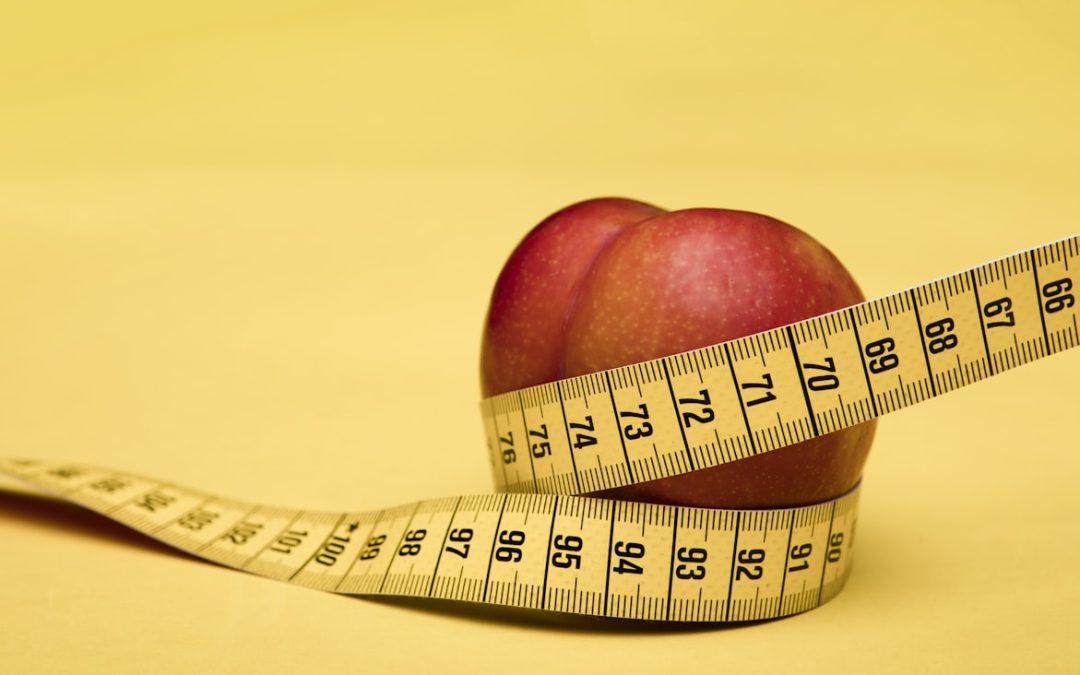
Use a Measuring Tape: Get a flexible measuring tape and ensure you’re measuring the areas accurately.
Measure Consistently: Take your measurements at the same time of day, preferably in the morning before meals for the best consistency.
Record Everything: Note your measurements regularly to track progress. This data will motivate you to stick to your goals.
Adjusting Your Approach Based on Data
What good is collecting data if you don’t act on it? Your measurements provide opportunities to adjust your approach. Here’s how:
Analyze Trends: Look for patterns in your measurements over weeks and months. Are you consistently losing inches but not weight? This could signal positive changes in your body composition.
Reassess Goals: If you’re not seeing the results you expected, it may be time to reevaluate your goals and strategies.
Seek Professional Help: If you are unsure about interpreting your measurements, working with a trainer or nutritionist can be beneficial.
Stay Motivated
Tracking measurements is not just a way to see numbers change. It’s a motivational factor. Here’s how to keep your motivation levels high:
Set Short-term Goals: Instead of focusing only on long-term success, create smaller milestones that can be achieved quickly.
Celebrate Small Wins: Don’t underestimate progress. Celebrate when you reach a new measurement milestone.
Share Your Journey: Consider joining a community or finding a workout buddy to share progress with. This can help keep you accountable and motivated.
Final Thoughts
Mastering your measurements is about more than just numbers. It’s an empowering way to understand your body and track your journey towards health and fitness. By taking an objective look at your progress, you can adjust your routines to achieve greater success.
Invest in yourself by learning how to measure effectively. Take that first step today, and uncover what your numbers really say about your health! Join our newsletter for more tips on living a healthier life and achieving personal success.